Personal lubricants are essential intimate consumables utilized for sexual comfort, condom friction reduction, and medical examinations. However, formulating body-safe lubricants requires rigorous cosmetic chemistry. If a water-based lubricant exhibits hyper-osmolar chemical properties, it can draw moisture out of delicate mucosal epithelial cells, causing micro-fissures and increasing pathogen transmission risks.
1. Physical Chemistry: Osmolality & pH Regulation
The World Health Organization (WHO) and UNFPA have published strict advisory thresholds governing intimate lubricant formulations:
- The Osmolality Window: Normal vaginal fluid osmolality ranges between 260 mOsm/kg and 290 mOsm/kg. Commercial lubricants with high concentrations of glycerin or propylene glycol can reach over 3,000 mOsm/kg, causing rapid cellular desiccation. BOHOL water-based formulas strictly maintain iso-osmolar or mildly hypo-osmolar profiles (< 1,200 mOsm/kg).
- pH Acid Buffering: A healthy vaginal microbiome relies on a pH of 3.8 to 4.5 maintained by lactic acid-producing lactobacilli. BOHOL water-based lubricants incorporate sodium lactate buffers to ensure stability without disrupting native flora.
- Anal Lubricant Neutrality: Anal mucosa lacks self-lubrication and natural acid buffers. For anal-specific lubricants, BOHOL formulates buffered neutral solutions between pH 6.0 and 7.0 with elevated viscosity agents.
| Formulation Parameter | Low-Tier Glycerin-Heavy Lubricant | BOHOL Pure Hydro-Gel Formulation | BOHOL Medical Medical Silicone Fluid |
|---|---|---|---|
| Base Fluid | Tap Water + High Glycerin | Deionized USP Purified Water | 100% Dimethicone & Cyclomethicone |
| Osmolality | > 3,500 mOsm/kg (Dangerous) | < 850 mOsm/kg (WHO Compliant) | Non-Aqueous (0 mOsm/kg) |
| pH Stability | 5.5 – 6.5 (Drifting) | 3.85 $\pm 0.15$ (Physiological Match) | Neutral (Anhydrous) |
| Toy Compatibility | Safe on silicone toys | 100% Safe on All Silicone & TPE | Incompatible with Silicone Toys |
| Condom Safety | Safe on Latex & PU | 100% Safe on Latex & Polyurethane | 100% Safe on Latex & Polyurethane |
2. Material Compatibility Matrix: Toys vs Condoms
Retail buyers must understand cross-material chemical reactions when curating intimate retail shelves:
- Silicone Lubricant on Silicone Devices (Damage Warning): Dimethicone-based lubricants will dissolve and soften platinum-cured silicone toys through solvent swelling, creating sticky, un-cleanable pitted surfaces. Customers purchasing silicone toys should always be recommended high-grade water-based lubricants.
- Oil-Based Products on Latex (Catastrophic Failure): Vegetable oils, baby oil, and massage oils degrade natural latex condoms within 60 seconds, causing immediate micro-ruptures. Polyurethane condoms remain immune.
- Preservative Selection: BOHOL utilizes food-grade potassium sorbate, sodium benzoate, or phenoxyethanol, avoiding harsh parabens and formaldehyde-releasing agents.
3. Custom OEM Formulations & Cleanroom Bottling
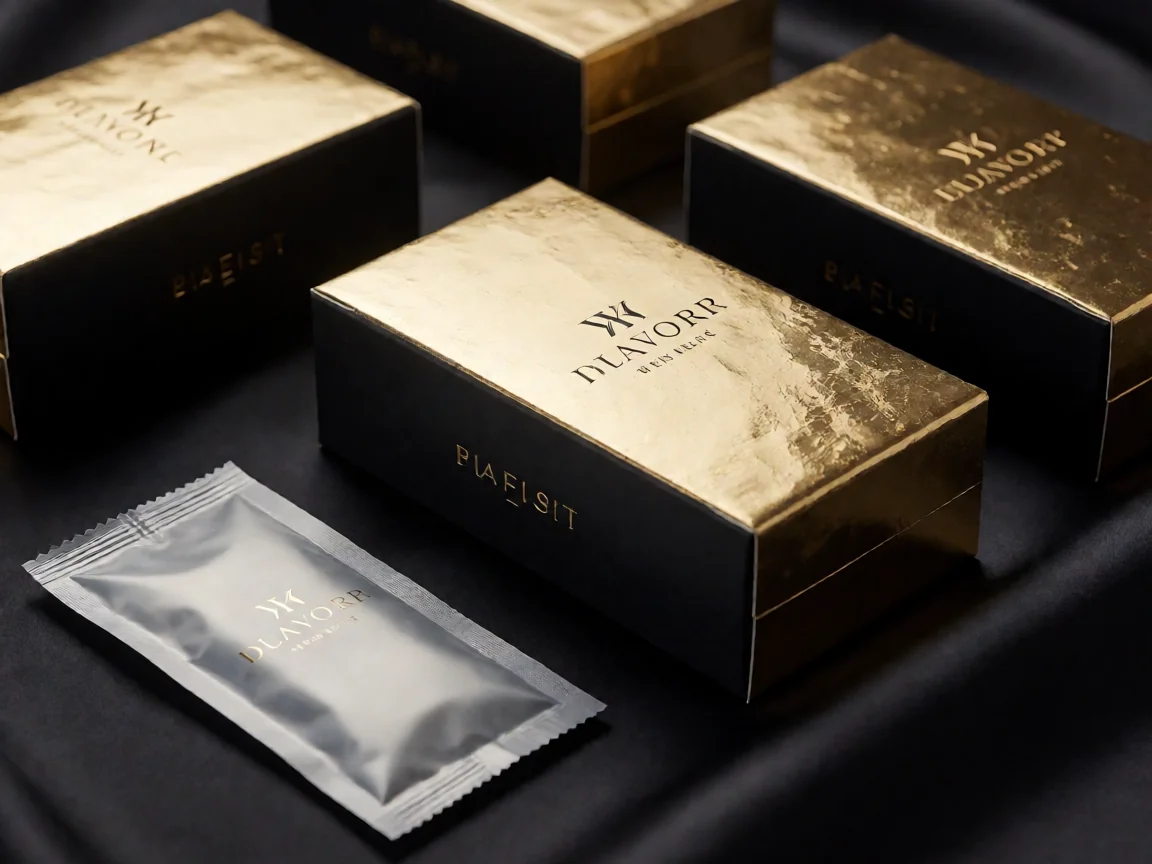
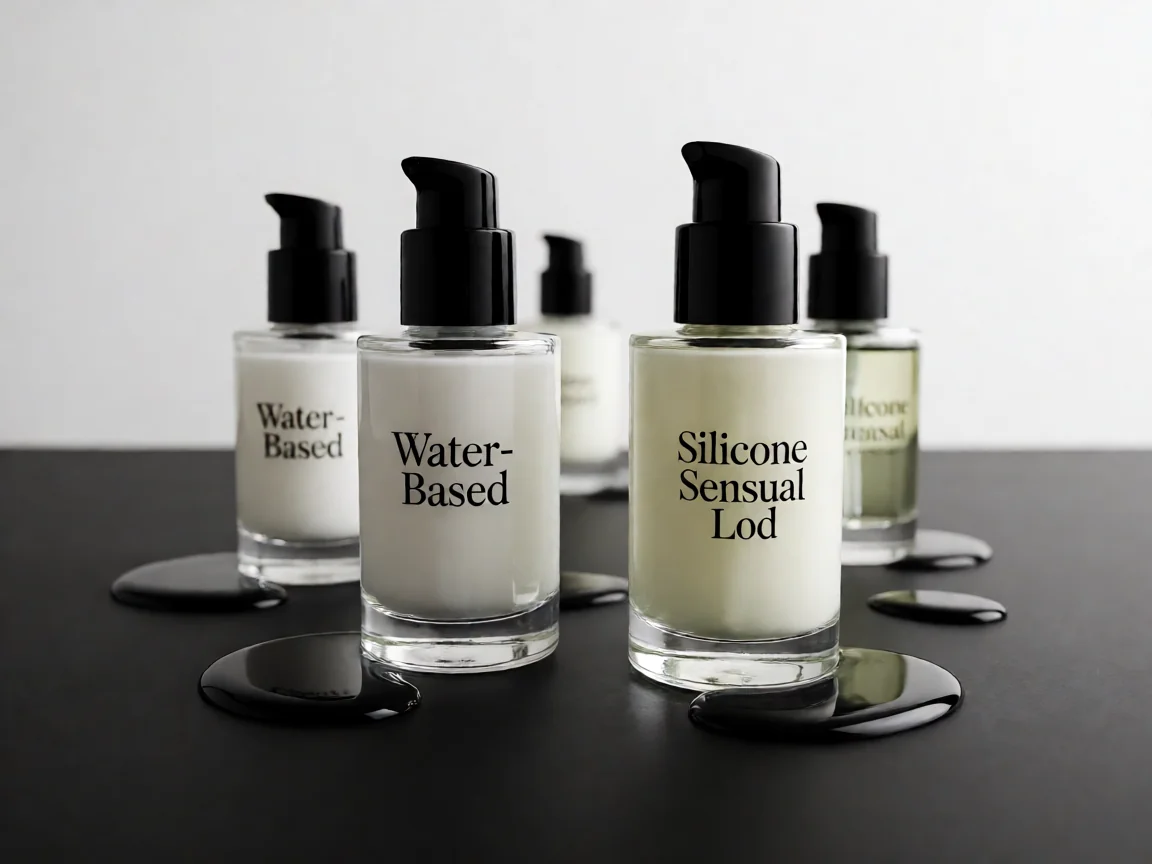
From sterile single-use 5ml hotel vending sachets to luxury 100ml airless pump bottles, BOHOL provides complete private-label cosmetic manufacturing:
- Browse our complete consumable product portfolio in the BOHOL Product Catalogue.
- Tour our certified cosmetics mixing cleanrooms at BOHOL Cleanroom Manufacturing Campus.
- To order formulation stability samples, request MSDS dossiers, or initiate private-label bottling, reach out through our B2B Wholesale RFQ Desk.
Authoritative Technical Citations
- World Health Organization (WHO): Use and Procurement of Additional Lubricants for Male and Female Condoms Advisory Note
- ISO 10993-5: Biological Evaluation of Medical Devices - Tests for In Vitro Cytotoxicity
- United States Pharmacopeia (USP): USP <85> Bacterial Endotoxins Test and USP <51> Antimicrobial Effectiveness