The engineering breakthrough of waterborne synthetic polyurethane (WPU) has redefined the global prophylactic industry. At only 0.010 mm wall thickness—one-sixth the thickness of a human hair—polyurethane barrier products conduct body heat almost instantaneously while offering superior tensile puncture resistance compared to traditional natural latex.
1. Polymer Science: Synthetic WPU vs Natural Rubber Latex
Natural rubber latex relies on vulcanized cis-1,4-polyisoprene polymer chains. While elastic, latex contains residual plant proteins that trigger Type I allergic reactions in up to 4.3% of the global population. Waterborne polyurethane eliminates this issue completely while providing monumental structural advantages:
- Thermal Conductivity: Polyurethane exhibits thermal conductivity of 0.19 W/(m·K), nearly 7 times higher than latex (0.027 W/(m·K)), enabling instantaneous skin-on-skin body heat transfer.
- Oil-Based Lubricant Compatibility: Unlike latex, which degrades catastrophically within 60 seconds of exposure to mineral oils, petroleum jelly, or silicone lubricants, polyurethane remains completely chemically inert.
- Uniform Caliber Thickness: Formed via multi-stage precision dipping in Class 10,000 cleanrooms, polyurethane maintains a micro-variance of less than $\pm 0.001 ext{ mm}$ across the entire length.
| Performance Characteristic | Natural Rubber Latex | Standard Nitrile | BOHOL 0.01mm Waterborne Polyurethane |
|---|---|---|---|
| Nominal Wall Thickness | 0.055 mm – 0.075 mm | 0.045 mm – 0.060 mm | 0.010 mm – 0.012 mm |
| Burst Volume (Air Inflation) | ~18 Liters | ~12 Liters | > 25 Liters (ISO 23409) |
| Protein Allergen Content | Present (> 50 $\mu ext{g/g}$) | Zero | 100% Protein-Free & Hypoallergenic |
| Aging Resistance (Ozone/Heat) | Rapid Degradation | Moderate Stability | 5-Year Hermetic Aluminum Foil Shelf Life |
2. Rigorous ISO 23409 Quality Verification Protocols
Every production batch of BOHOL condoms undergoes 100% automated electronic water-bath pinhole testing alongside destructive ISO sampling audits:
- High-Voltage Electrical Leakage Testing: 100% of finished condoms are mounted on stainless steel mandrels and submerged in conductive electrolyte baths under 1,500V DC. Any microscopic pinhole allows current flow, triggering instantaneous robotic rejection.
- Air Inflation Burst Pressure: Standard samples are inflated until rupture. Polyurethane samples must withstand a minimum burst pressure of 1.0 kPa and air volume exceeding 22 Liters.
- Tensile Elastic Modulus: Measured via Instron universal tensile testers, verifying an ultimate elongation at break exceeding 450%.
3. Turnkey Wholesale & Private-Label Packaging
BOHOL provides full turnkey contract manufacturing for global retail pharmacy chains and hospitality amenity brands:
- Review our certified intimate consumable portfolio in the BOHOL Product Catalogue.
- Explore our strict cleanroom QA procedures at our 35,000 m² Campus Quality Assurance Center.
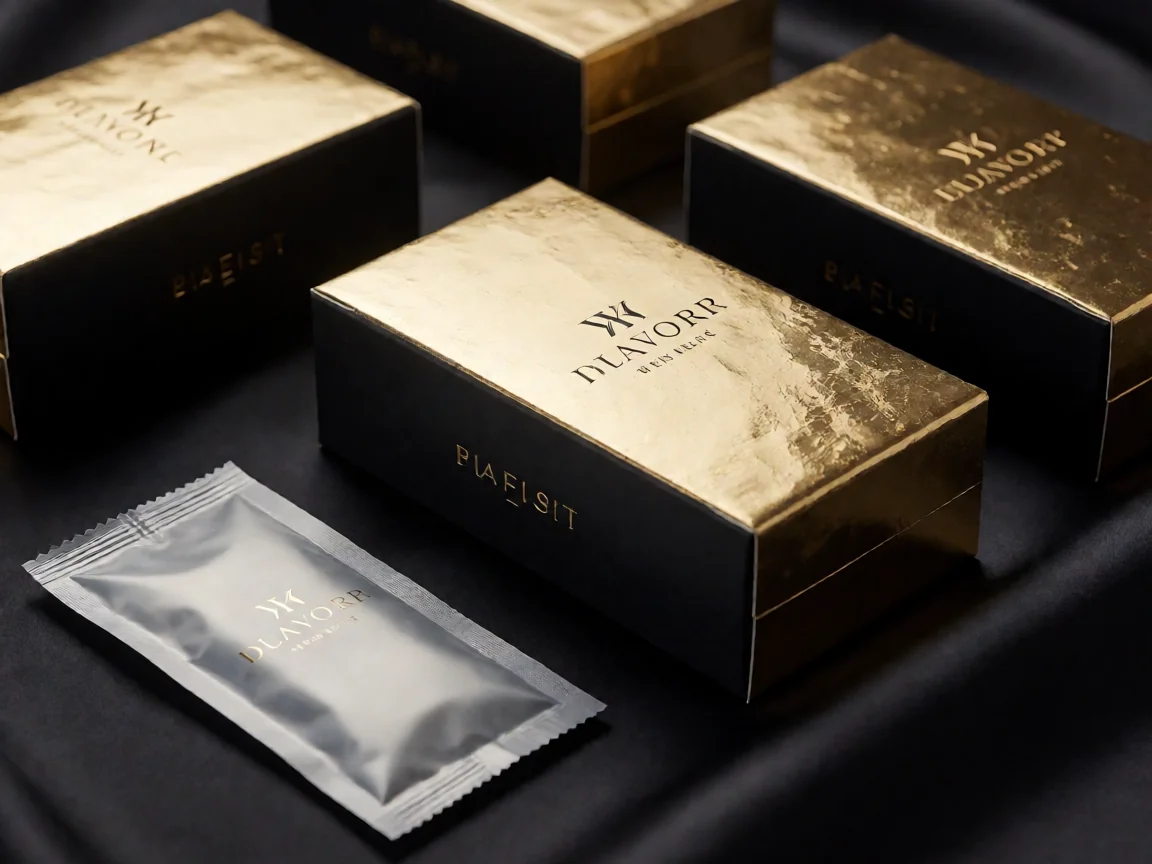
- To order sterile custom foil samples, custom box geometries, or initiate private-label OEM manufacturing, submit your inquiry via the Wholesale RFQ Portal.
Authoritative Technical Citations
- ISO 23409: Male Condoms - Requirements and Test Methods for Condoms Made from Synthetic Materials
- FDA 21 CFR Part 884: Obstetrical and Gynecological Specialized Medical Devices
- ASTM D3492: Standard Specification for Rubber Contraceptives (Male Condoms)