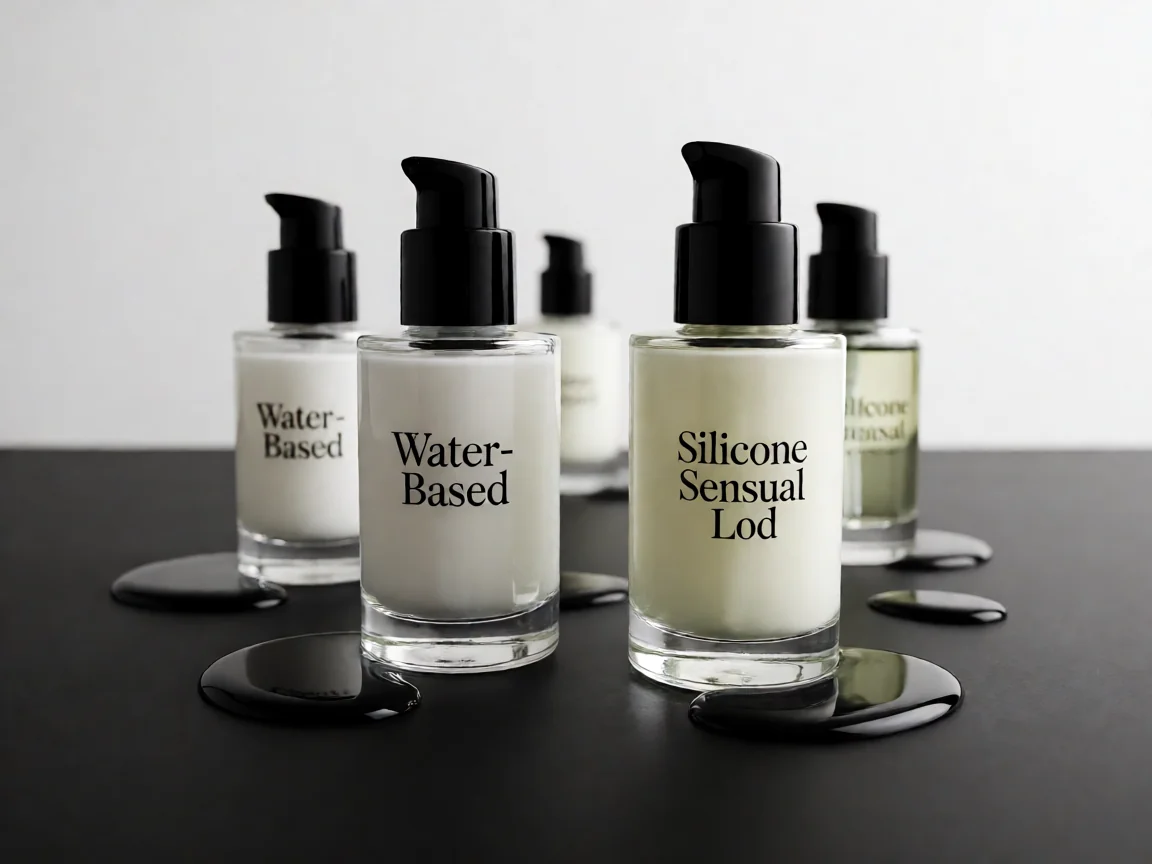
Most consumers and procurement buyers evaluate personal lubricants solely on slipperiness. However, clinical research published by the World Health Organization (WHO) reveals that the majority of commercial lubricants are severely hyperosmolar—drawing moisture out of human vaginal and rectal cells, causing epithelial sloughing, burning sensations, and elevating infection susceptibility.
[!NOTE] Looking for audited, biocompatible manufacturing? Explore the BOHOL Iso-Osmolar Hyaluronic Lubricant or review our cleanroom manufacturing specifications to request an instant factory quotation.
Executive Engineering & Procurement Takeaways
- Normal human vaginal fluid has an osmolarity of 260 to 290 mOsm/kg and an acidic pH between 3.8 and 4.5. - Generic commercial lubricants frequently exceed 2,000 to 4,000 mOsm/kg due to excessive propylene glycol and cheap glycerin. - Hyperosmolar lubricants pull water out of mucosal tissues via osmotic shock, causing epithelial cellular damage and stinging. - BOHOL formulates iso-osmolar lubricants (< 350 mOsm/kg) buffered with natural lactic acid to preserve healthy Lactobacillus flora.What Is Osmotic Shock and How Does Hyperosmolar Lubricant Damage Epithelial Cells?
Under basic cellular physics, water flows from regions of low solute concentration to high solute concentration across semi-permeable cell membranes. When a hyperosmolar lubricant (e.g. 3,000 mOsm/kg) is introduced into the vaginal canal (280 mOsm/kg), it creates an extreme osmotic gradient. Epithelial cells rapidly shrivel and dehydrate as their internal water is sucked out into the lubricant. This cellular collapse causes epithelial micro-fissures and immediate post-application burning.
Why Is a Precise 3.8 to 4.5 pH Buffer Critical for Preventing Infections?
The healthy vaginal microbiome is dominated by Lactobacillus species, which produce lactic acid to maintain a protective acidic mantle (pH 3.8 to 4.5) that prevents colonization by pathogenic bacteria like Gardnerella vaginalis or Candida albicans. When neutral or alkaline lubricants (pH 6.0 to 7.5) are used, they neutralize this protective acid shield, triggering Bacterial Vaginosis (BV) and yeast infections. BOHOL uses pharmaceutical-grade lactic acid buffering to maintain an optimal 3.9 ± 0.2 pH environment.
| Biochemical Metric | BOHOL Iso-Osmolar Formula | Generic High-Glycerin Commodity Lube |
|---|---|---|
| Osmolality Rating | 280 ~ 340 mOsm/kg (Matches natural tissue) | 2,500 ~ 4,200 mOsm/kg (Severe hyperosmolar) |
| pH Buffer Level | 3.8 ~ 4.2 (Maintains natural acid mantle) | 5.5 ~ 7.0 (Disrupts vaginal acid defense) |
| Active Moisturizer | High-Purity Bio-Fermented Hyaluronic Acid | Cheap Industrial Propylene Glycol / Glycerin |
| Cellular Integrity Effect | Hydrating cellular matrix; zero cell shrinkage | Causes epithelial sloughing and micro-tears |
| Preservative System | Food-Grade Sodium Benzoate / Citric Acid | Harsh Parabens / Phenoxyethanol / Fragrances |
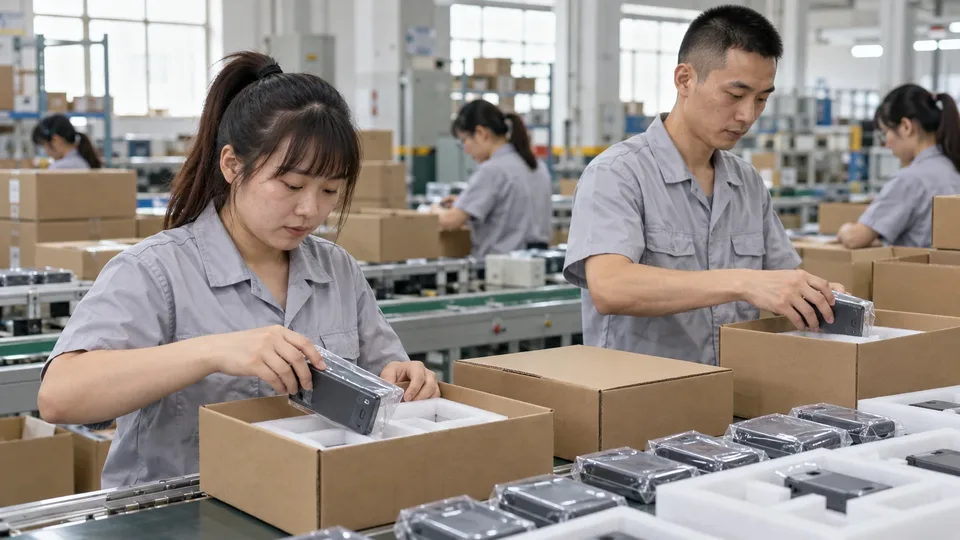
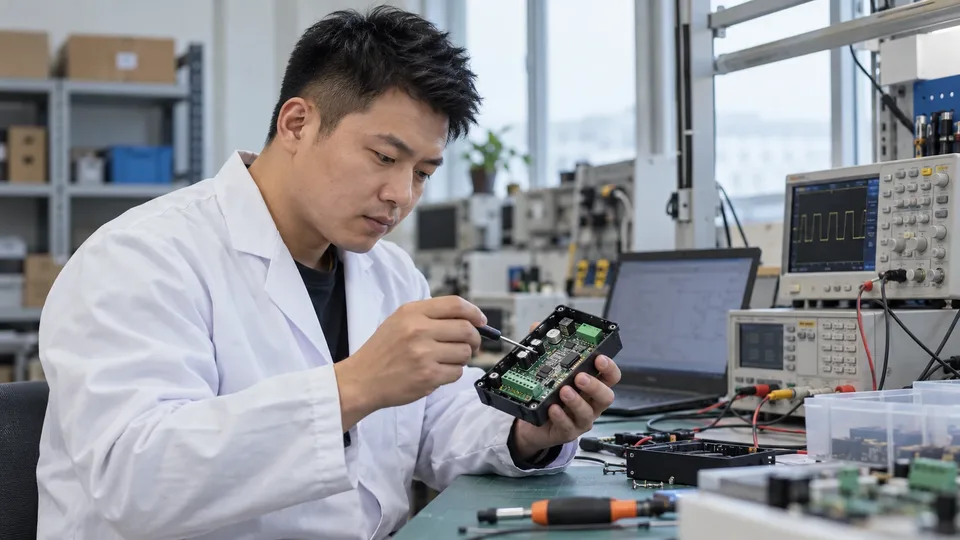
"All hardware mechanisms and intimate formulations produced by BOHOL strictly conform to audited ISO 13485:2016 quality management systems and FDA 21 CFR § 177.2600 liquid silicone elastomer biocompatibility standards. Every production batch undergoes automated acoustic analysis, high-voltage insulation tests, and IPX7 vacuum immersion verification."
Frequently Asked Questions
Why do some water-based lubricants feel sticky after a few minutes of use?
Stickiness occurs when formulations contain high percentages of simple sugars and glycerin, which dry into a tacky residue as water evaporates. Hyaluronic acid formulations maintain long-lasting slip without drying into a sticky film.
Is an iso-osmolar lubricant safe to use with latex and polyurethane condoms?
Yes. Our iso-osmolar formulations are completely free of mineral oils and petrochemicals, fully tested under ISO 10993 and ASTM D3492 for 100% barrier condom compatibility.
For direct wholesale procurement, custom private tooling, or hotel vending telemetry deployments, connect directly with our engineering trade desk via our online RFQ calculator, explore our cleanroom manufacturing campus, or reach our global team at our official contact desk.