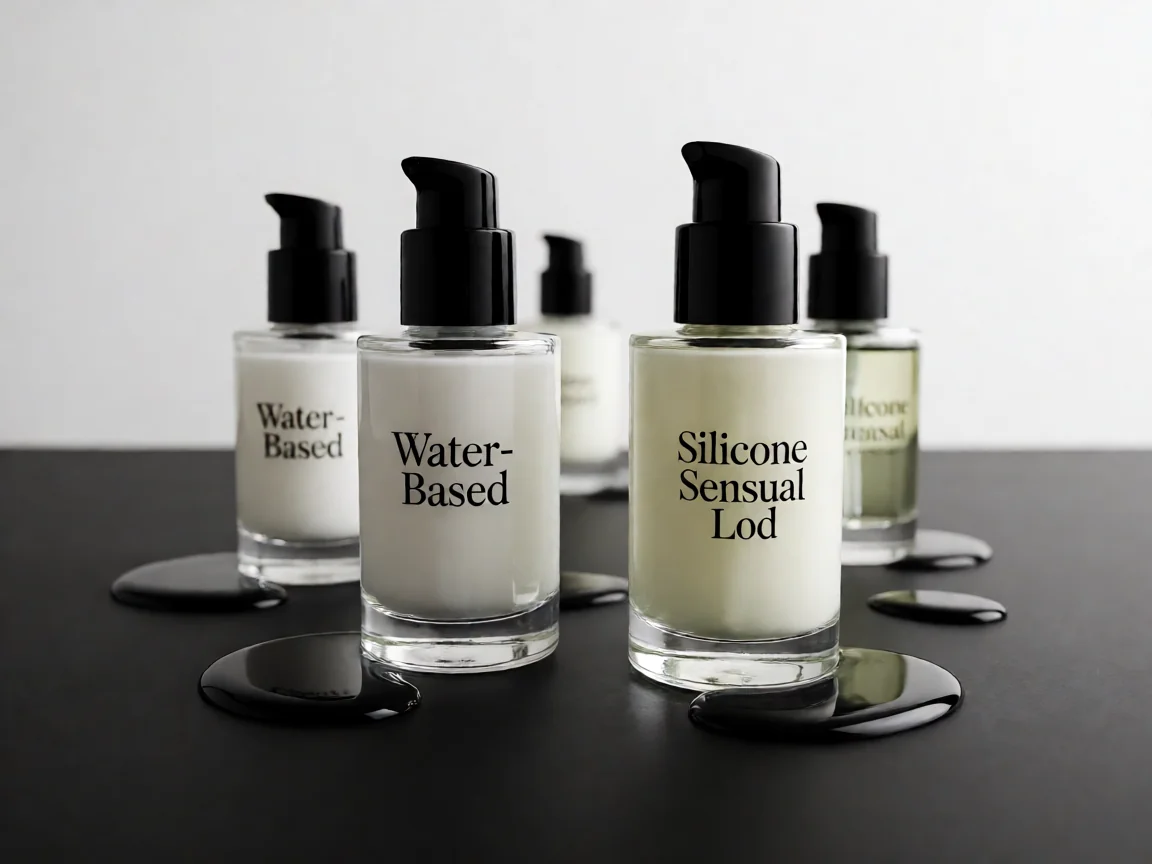

Intimate lubricant is the single most effective tool for preventing discomfort, micro-abrasions, and condom breakage. Yet selecting the wrong lubricant base can have disastrous consequences—such as dissolving a $100 silicone vibrator into sticky goo or causing a latex condom to snap during intercourse. Understanding the chemical differences between water, silicone, and oil bases is essential for safe pleasure.
[!NOTE] Looking for verified, body-safe manufacturing? Explore the NR-LUBR-1 Pure Water-Based Formula or review our cleanroom manufacturing specifications to request an instant OEM quotation.
Executive Engineering & Procurement Takeaways
- **Water-based lubricants are universal**: Water-based lubricants are universal: 100% safe with all sex toys (silicone, plastic, glass) and all condom types (latex, polyurethane). - Silicone-based lubricants offer extreme longevity and waterproof glide, but WILL dissolve and destroy silicone sex toys. - Oil-based lubricants (coconut oil, vaseline, body lotions) dissolve latex condoms in under 60 seconds, causing immediate failure. - Premium water-based formulas enriched with hyaluronic acid provide ultra-long glide without sticky sugar residues.1. Why Silicone Lube Destroys Silicone Toys
In basic chemistry, ‘like dissolves like.’ Liquid silicone lubricant consists of linear dimethicone siloxane molecules. When applied to cured silicone elastomeric toys (like Harmony Rabbit or Bobi III), the liquid siloxane migrates into the polymer matrix, breaking down the cross-linked bonds. The surface of the toy becomes sticky, gummy, and permanently pitted. For any silicone toy, stick strictly to high-viscosity water-based gels like NR-LUBR-1.
2. When to Choose Silicone or Hybrid Formulas
Silicone lubricants are hydrophobic—they do not absorb into skin or wash away in water. This makes silicone lube the ultimate choice for shower sex, hot tub play, or extended anal intercourse where natural moisture is absent. It stays slippery for hours without drying out, though it requires warm soap and water to wash off.
| Lubricant Type | Toy Compatibility | Condom Compatibility | Waterproof? | Cleaning Method |
|---|---|---|---|---|
| Water-Based Gel (NR-LUBR-1) | ✅ 100% Safe with ALL Toys | ✅ 100% Safe (Latex & Poly) | ❌ Rinses Away in Water | Effortless Warm Water Rinse |
| Silicone Fluid (Dimethicone) | ❌ Melts Silicone Toys (Glass/Metal Only) | ✅ Safe with Latex & Poly | ✅ 100% Waterproof | Requires Soap & Warm Water |
| Oil-Based (Coconut/Petroleum) | ⚠️ Avoid on Porous Rubber | ❌ Melts Latex (Rupture Hazard!) | ✅ High Water Resistance | Requires Heavy Soap / Stains Sheets |
Frequently Asked Questions
Can I use saliva as a substitute for lubricant?
Saliva contains digestive enzymes (amylase) and oral bacteria that can disrupt vaginal flora, triggering yeast infections or bacterial vaginosis. Furthermore, saliva dries out within seconds, causing increased friction.
Why do some water-based lubes get sticky after 5 minutes?
Cheap formulas use glycerin or propylene glycol, which dry into a tacky, sugary residue as water evaporates. Premium formulas use sodium hyaluronate or cellulose, which remain slippery or reactivate instantly with a drop of water.
For wholesale distribution, private-label branding, or hotel vending inquiries, speak directly with BOHOL’s product specialists via our online RFQ portal or email sales at our contact page.