-
- **WHO Osmolality Limit**: Hyper-osmotic lubricants (>1,200 mOsm/kg) dehydrate mucosal tissue and trigger irritation; BOHOL formulates strictly below 380 mOsm/kg per World Health Organization safety advisories.
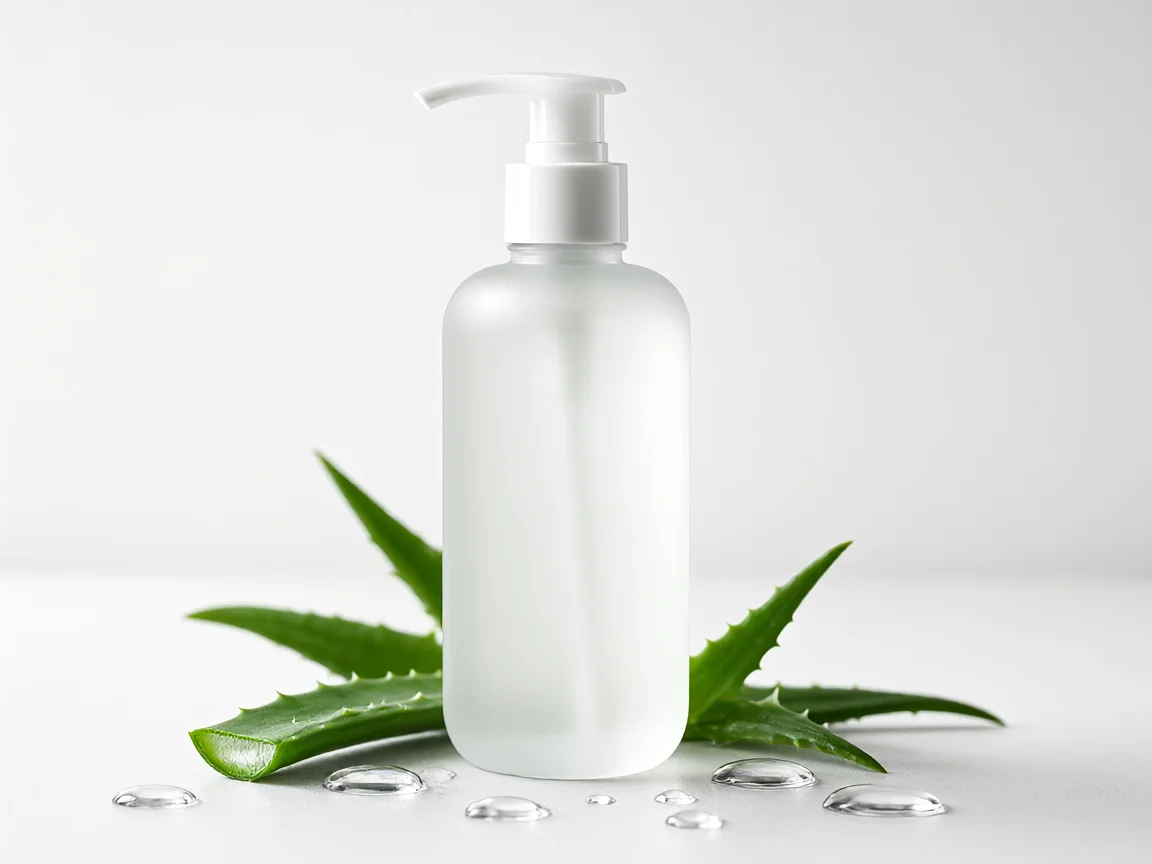
- **100% Toy Compatibility**: Water-soluble hyaluronic acid and hydroxyethylcellulose bases wipe clean easily and never swell or degrade platinum-cured liquid silicone hardware.
- **36-Month Microbiological Stability**: USP <51> antimicrobial preservative efficacy testing guarantees shelf stability for hotel vending and global retail distribution.
[!NOTE] Looking for audited, medical-grade manufacturing? Explore the SYSTEM JO & BOHOL OEM Water-Based Formulas or review our 35,000 m² Cleanroom Facilities to submit an Instant B2B Evaluation RFQ.
1. The Science of Osmolality and Mucosal Integrity
Most consumers evaluate lubricants purely on slipperiness, unaware of cellular osmolality. High concentrations of propylene glycol and glycerin create extreme osmotic pressure, literally drawing moisture out of epithelial cells and leaving mucosal walls vulnerable to micro-tears.
| Parameter / Attribute | Standard Industry Benchmark | BOHOL Certified Specification |
|---|---|---|
| Formulation Metric | Conventional Drugstore Lube | BOHOL Iso-Osmotic Clinical Formula |
| Osmolality (WHO Guideline) | 1,500 – 3,500 mOsm/kg (Tissue dehydration) | < 380 mOsm/kg (Cellular hydration safe) |
| Vaginal pH Alignment | pH 6.5 – 7.5 (Disrupts natural flora) | pH 4.0 – 4.4 (Balanced lactic acid buffer) |
| Glycerin & Parabens | High glycerin (Yeast risk) + Parabens | 100% Glycerin-Free, Paraben-Free, Sugar-Free |
| Silicone Hardware Compatibility | Silicone oils damage LSR devices | 100% Safe with all LSR, TPE, and Latex |
2. Pharmaceutical-Grade Cleanroom Bottling
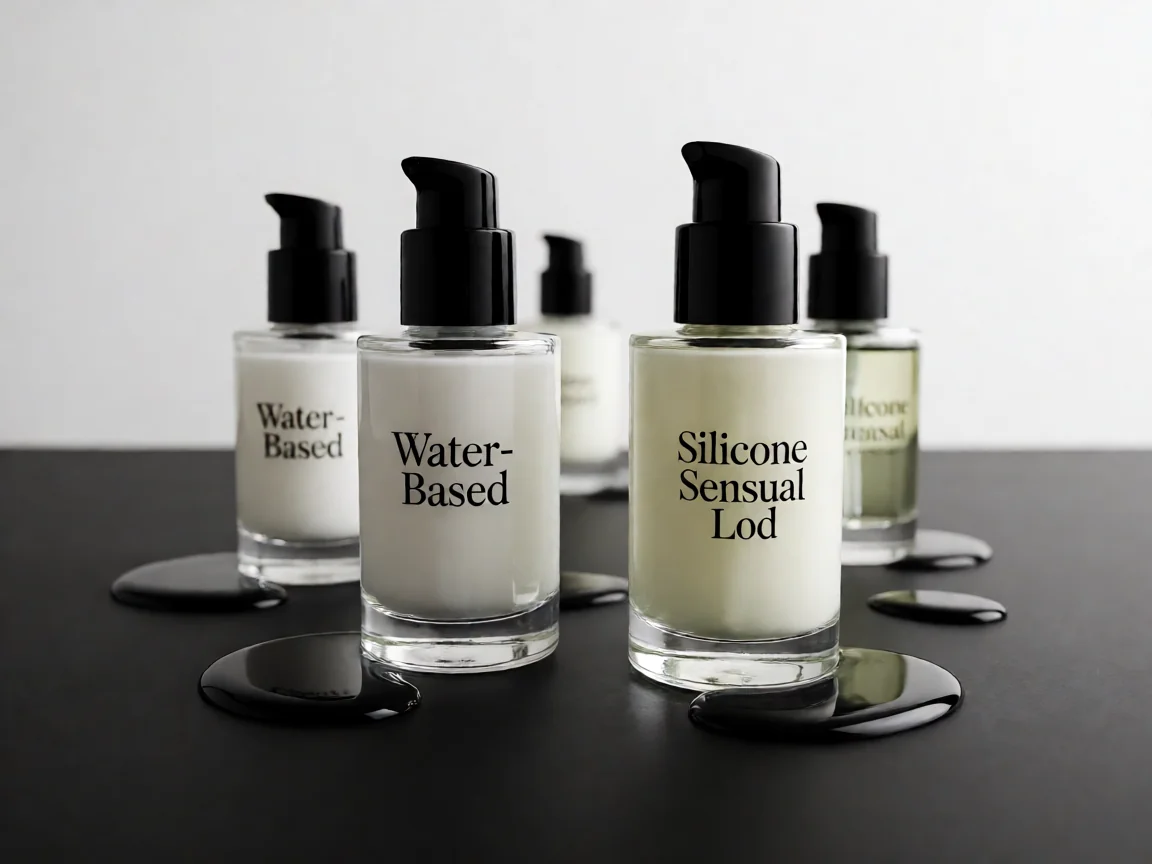
BOHOL produces custom OEM personal lubricants inside GMPC-certified cleanrooms using reverse-osmosis purified water, high-molecular-weight hyaluronic acid, and food-grade plant cellulose—available in travel-sized hotel vending pouches or luxury airless pumps.
3. Bundle High-Margin Consumables with Hardware
Consumables generate 3x higher customer repeat purchase velocity than standalone hardware:
- Inspect our SYSTEM JO H2O & OEM Lubricant Line.
- Review Lubricant Compatibility Science.
- Request private-label formulation samples via our RFQ Desk.
Frequently Asked Questions
What is the MOQ for private-label lubricant bottling?
Custom private-label bottle printing starts at 1,000 units per formula, while standard BOHOL stock refills and hotel vending sachets start at just 100 units.
Can lubricants be consolidated in the same container with electronic adult toys?
Yes. Non-flammable water-based and silicone lubricants can be safely packed in sealed inner master cartons alongside electronic devices inside consolidated sea DDP containers.
Authoritative Standards & International Directives
- FDA 21 CFR § 177.2600: Rubber articles intended for repeated use; extractives benchmarks.
- ISO 13485:2016: Medical devices quality management systems and Class 100,000 cleanroom traceability.
- European Directive 2014/53/EU (CE-RED): Radio equipment directive for wireless tele-intimacy devices.
- UN Manual of Tests and Criteria (UN 38.3): Lithium battery safety for commercial air/sea DDP transport.