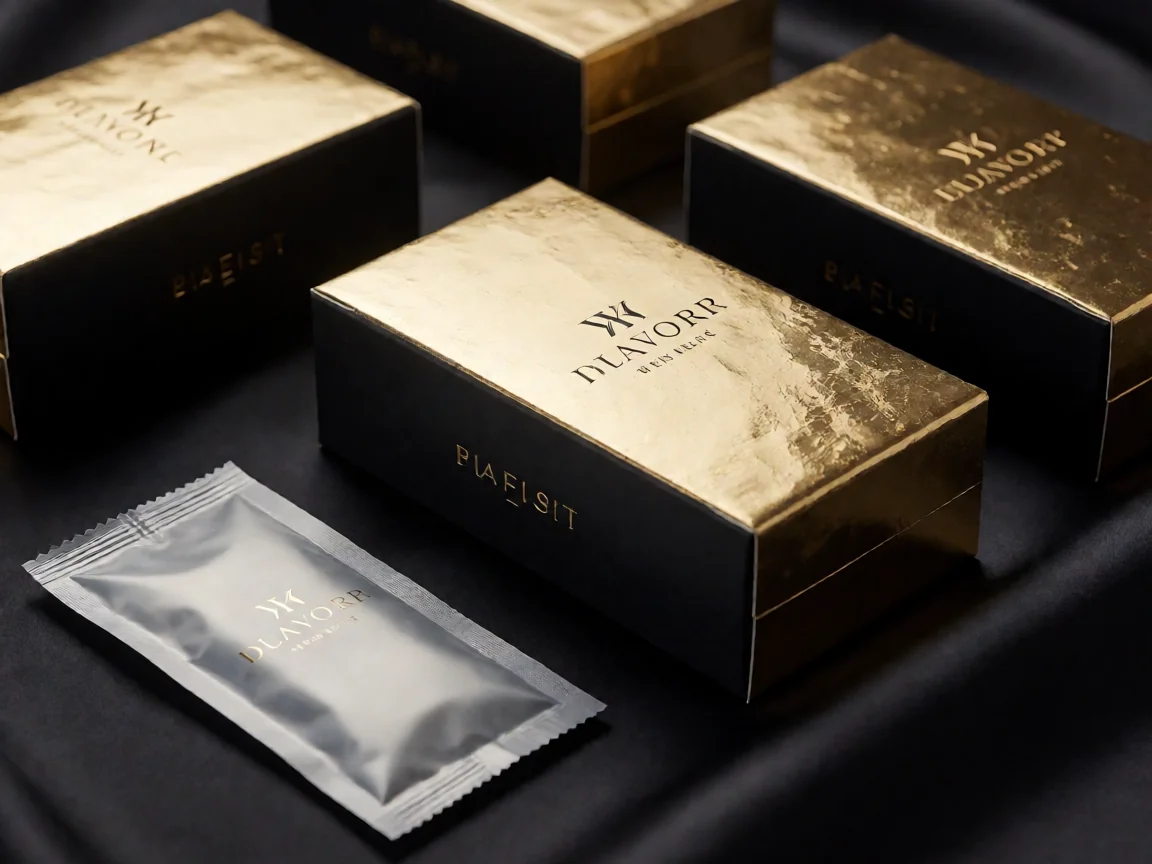

The quest for the ‘bareback’ skin-on-skin sensation without sacrificing pregnancy and STI protection has driven revolutionary advances in barrier materials. While traditional natural rubber latex dominated the 20th century, modern waterborne polyurethane polymers have broken the 0.01 mm thickness threshold, offering unmatched heat conductivity and hypoallergenic safety.
[!NOTE] Looking for verified, body-safe manufacturing? Explore the NR-COND-1 Ultra-Thin 0.01mm Polyurethane or review our cleanroom manufacturing specifications to request an instant OEM quotation.
Executive Engineering & Procurement Takeaways
- 0.01mm waterborne polyurethane is roughly 1/6th the diameter of a single human hair, eliminating the dull rubber barrier sensation. - Polyurethane conducts thermal heat nearly 7 times faster than latex, allowing partners to feel each other's body temperature instantly. - 100% hypoallergenic and protein-free, completely safe for individuals with Type I natural latex allergies. - Natural rubber latex (0.03mm) provides higher tensile elongation (stretches more), while polyurethane has higher puncture resistance.1. Thermal Conductivity: The Warmth of True Skin-on-Skin
The primary complaint about standard latex condoms is not just thickness; it is thermal insulation. Latex is an insulator that blocks body heat, making penetration feel cold and synthetic. Polyurethane has an exceptionally high thermal conductivity coefficient. When using NR-COND-1, the warmth of internal mucosal tissue transfers through the polymer membrane within two seconds, creating a warm, organic sensation that feels virtually identical to unprotected intimacy.
2. Tensile Strength and Latex Allergy Elimination
Natural rubber contains antigenic proteins that cause burning, itching, and rashes in up to 4.3% of the population. Polyurethane is an inert medical-grade synthetic polymer completely devoid of organic plant proteins. Under laboratory burst-pressure tests, 0.01mm polyurethane withstands higher puncture forces from fingernails than standard latex, ensuring robust safety despite its gossamer thinness.
| Material Spec | 0.01mm Waterborne Polyurethane (NR-COND-1) | 0.03mm Natural Rubber Latex |
|---|---|---|
| Membrane Thickness | 0.010 mm – 0.015 mm (Ultra-Thin) | 0.030 mm – 0.045 mm (Standard Thin) |
| Thermal Conductivity | High (~ 0.25 W/m·K, Transmits Heat Instantly) | Low (~ 0.13 W/m·K, Insulates Cold) |
| Allergen Profile | 100% Protein-Free & Hypoallergenic | Contains Natural Latex Allergens |
| Lubricant Compatibility | Compatible with Water and Oil-Based Gels | Strictly Water-Based Only (Oils Ruin Latex) |
| Elastic Stretch Behavior | Firm Form-Fitting Contour | High Elasticity (Expands Readily) |
Frequently Asked Questions
Are 0.01mm condoms more prone to breaking than thicker condoms?
No. Polyurethane has a much higher molecular tensile strength than latex, passing ISO 23409 burst volume and pressure tests with exceptional margins.
Do polyurethane condoms require special sizing?
Because polyurethane stretches less elastically than latex, choosing the correct nominal width (52mm vs 54mm) is important to ensure a snug, comfortable fit without constriction.
For wholesale distribution, private-label branding, or hotel vending inquiries, speak directly with BOHOL’s product specialists via our online RFQ portal or email sales at our contact page.