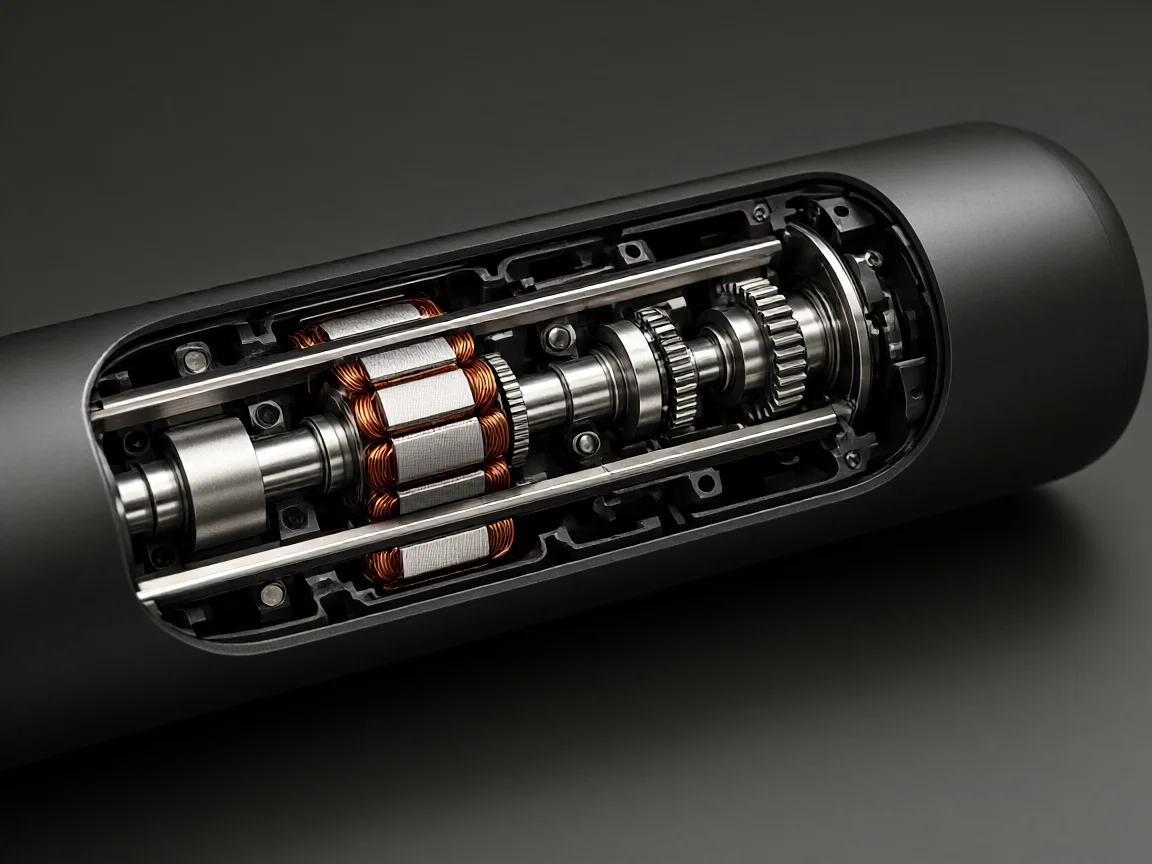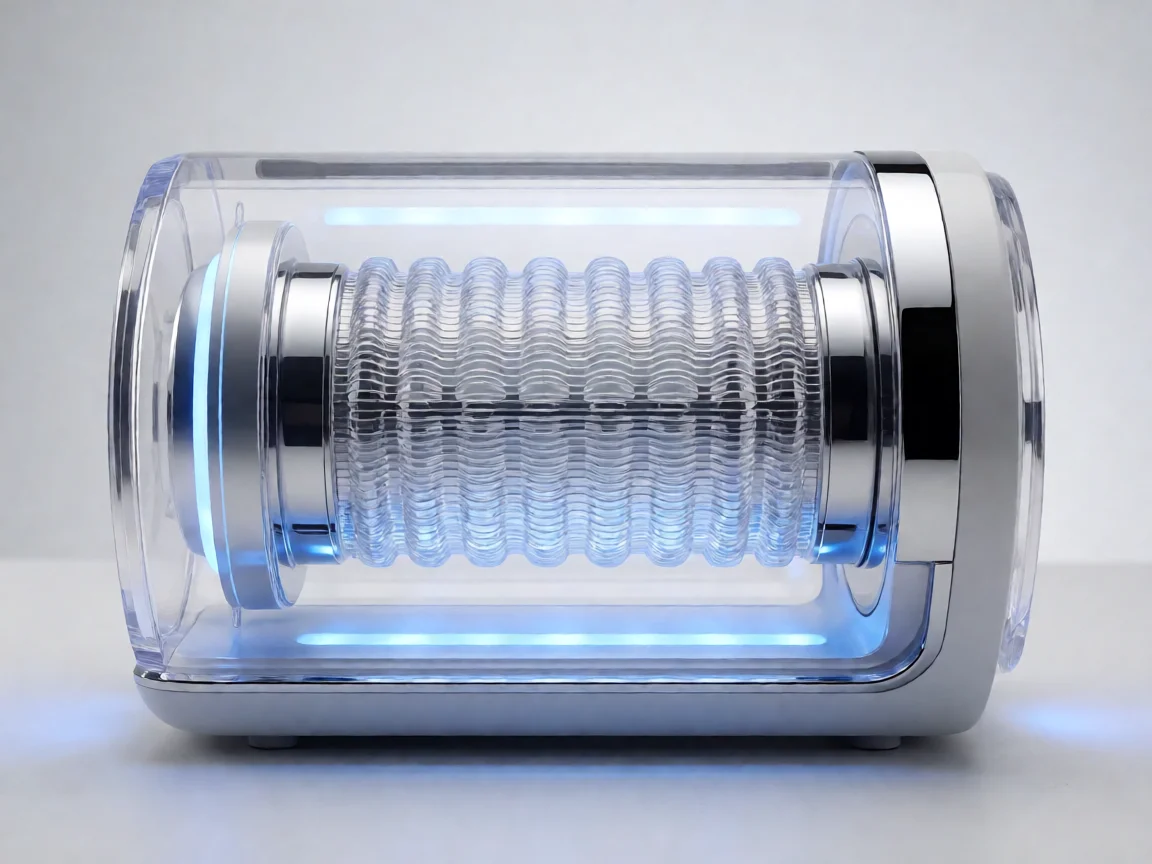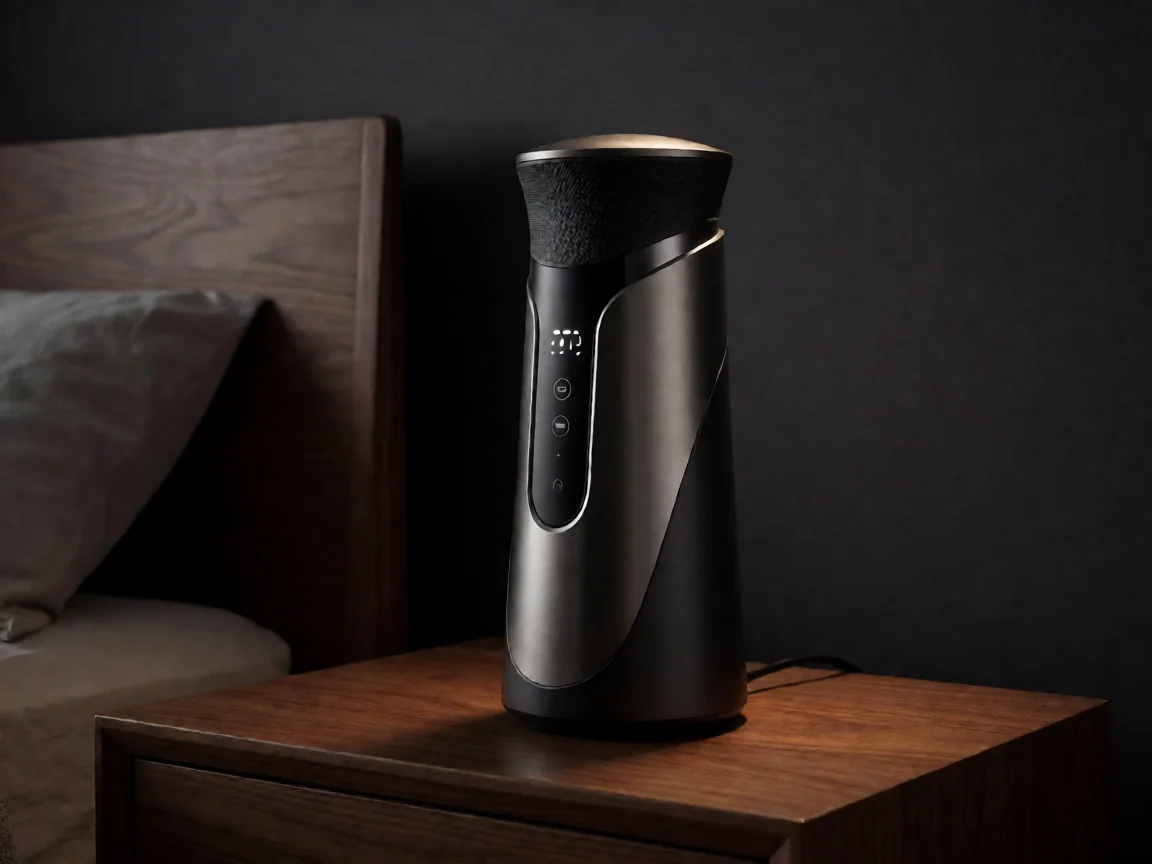
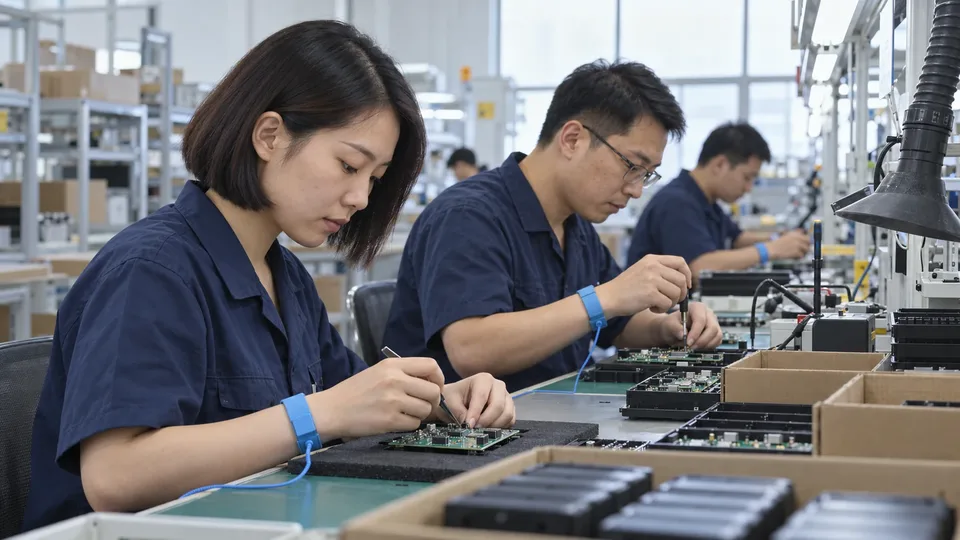
Like any high-performance item subjected to intense friction, heat, and moisture, intimate sleeves have a finite lifespan. While a high-end plastic or aluminum outer shell can last for years, the inner elastomeric sleeve naturally experiences polymer degradation over dozens of uses. Recognizing when to replace your sleeve protects your skin from bacterial infection and ensures optimal sensation.
[!NOTE] Looking for verified, body-safe manufacturing? Explore the NR-MAST-3 Replacement Core System or review our cleanroom manufacturing specifications to request an instant OEM quotation.
Executive Engineering & Procurement Takeaways
- High-grade silicone sleeves last between 12 and 18 months, while softer TPE sleeves should be replaced every 6 to 9 months. - Loss of elasticity, thinning canal walls, or torn internal ribs are primary indicators of mechanical fatigue. - Persistent sour odors or cloudy discoloration indicate irreversible bacterial colonisation within the material matrix. - Modular devices like NR-MAST-3 allow users to keep the expensive outer shell and simply click in a fresh $15 inner sleeve.1. Signs of Physical & Mechanical Degradation
TPE is an oil-extended block copolymer. Over months of regular stretching and washing, the plasticizer oils gradually leach away, causing the material to lose its bounce. You may notice that the entry ring feels loose, or that the internal ribs feel mushy and indistinct rather than sharp and springy. In advanced fatigue, microscopic tears appear at high-stress points like the coronal constriction ring, causing the sleeve to rip during vigorous use.
2. Hygiene Expiration: When Washing Is No Longer Enough
If your sleeve develops an odor that persists even after thorough washing and cornstarch powdering, micro-fissures in the TPE have trapped organic matter beyond the reach of topical soap. Continuing to use an expired sleeve can lead to balanitis (inflammation of the glans), contact dermatitis, or urinary tract infections. Replacing the inner core restores factory-fresh hygiene and tight suction.
| Sleeve Condition | Material Status | Recommended Action | Health Risk |
|---|---|---|---|
| Factory Fresh (Months 1–3) | Firm, Velvety, Vibrant Color | Standard Aftercare (Wash & Powder) | Zero (100% Sterile) |
| Normal Wear (Months 4–6) | Slightly Softer, Minor Surface Tack | Regular Cornstarch Dusting | Minimal |
| Fatigued (Months 7–9) | Stretched Entry, Blunted Ribs | Plan Replacement Soon | Low |
| Expired (Months 10+) | Torn Seams, Persistent Odor, Sticky Film | Immediate Disposal & Replace Core | High (Bacterial Risk) |
Frequently Asked Questions
Can I recycle my old worn-out TPE sleeve?
Due to sanitary regulations, intimate elastomeric goods cannot be placed in household recycling bins. Wrap the sleeve in neutral paper and dispose of it in standard household waste.
How can I extend the lifespan of my favorite sleeve?
Never pull aggressively on the entrance ring when washing, always use abundant water-based lubricant to reduce friction shear, and store the sleeve away from direct sunlight and heat radiators.
For wholesale distribution, private-label branding, or hotel vending inquiries, speak directly with BOHOL’s product specialists via our online RFQ portal or email sales at our contact page.