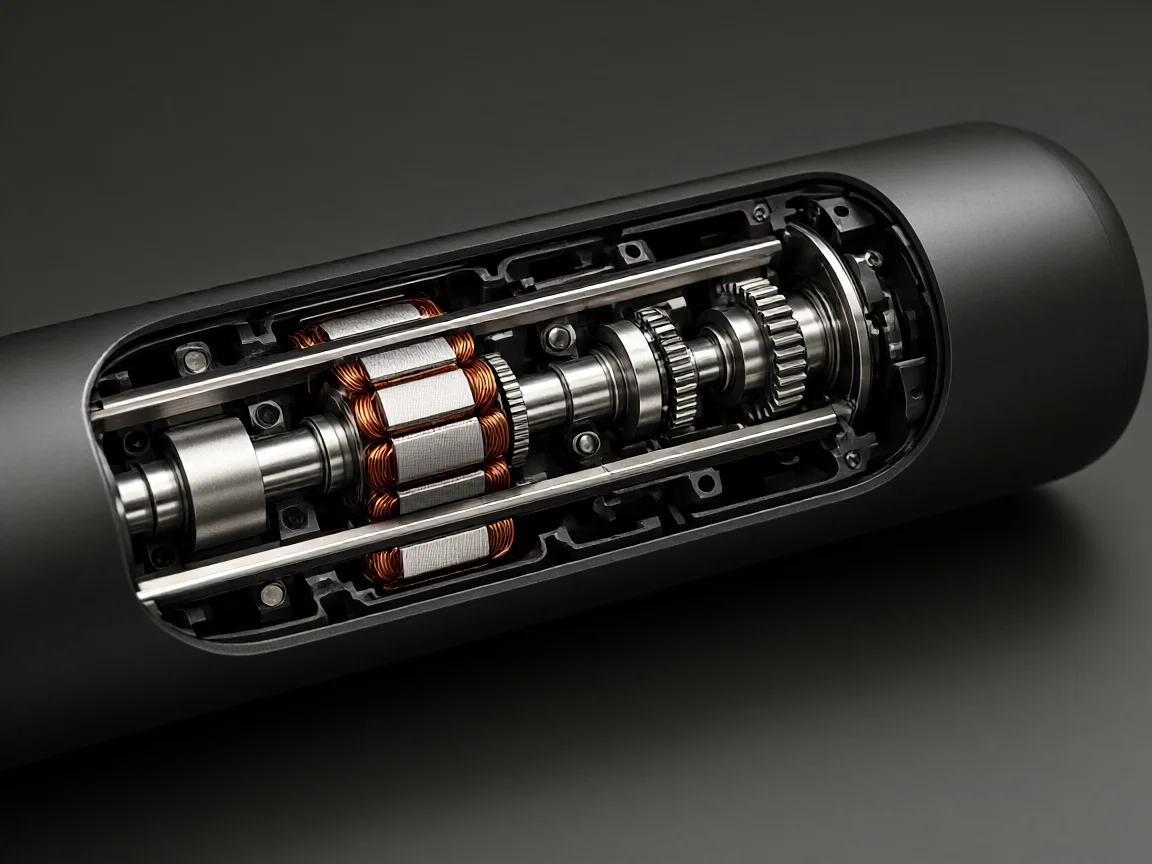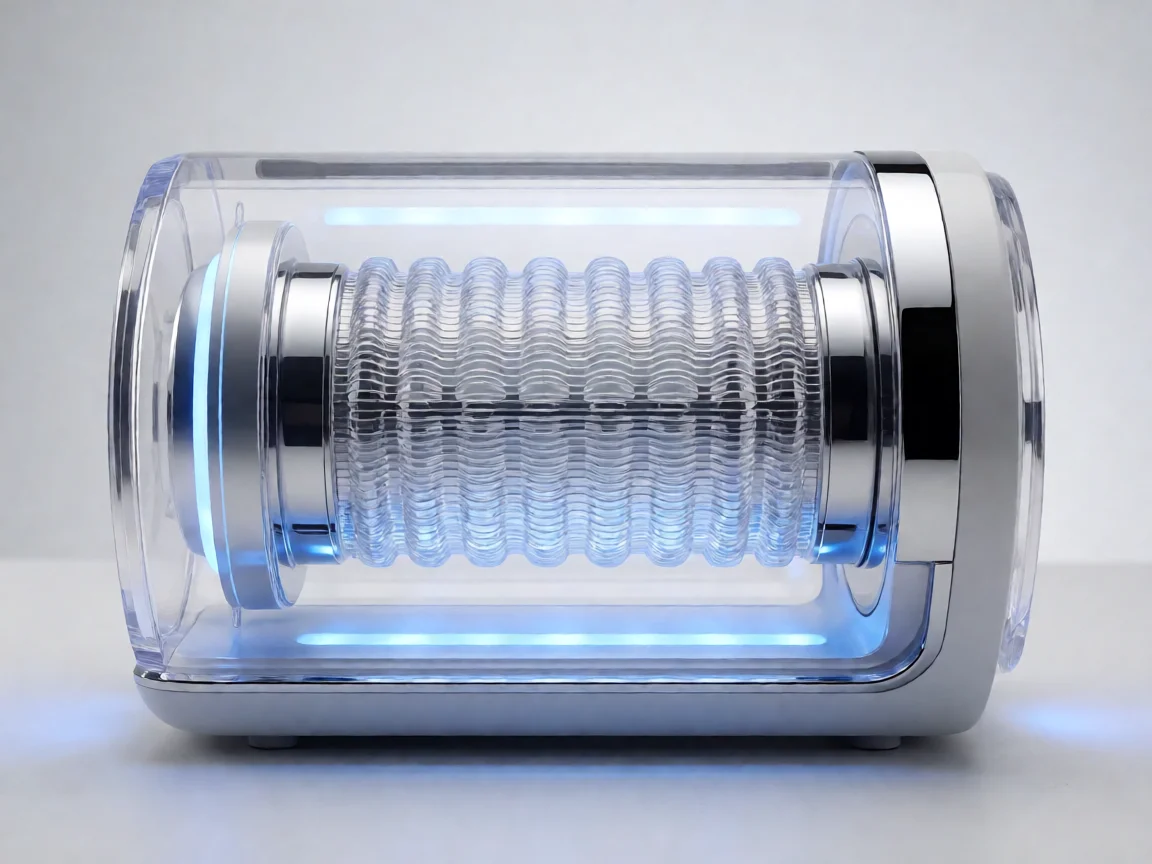
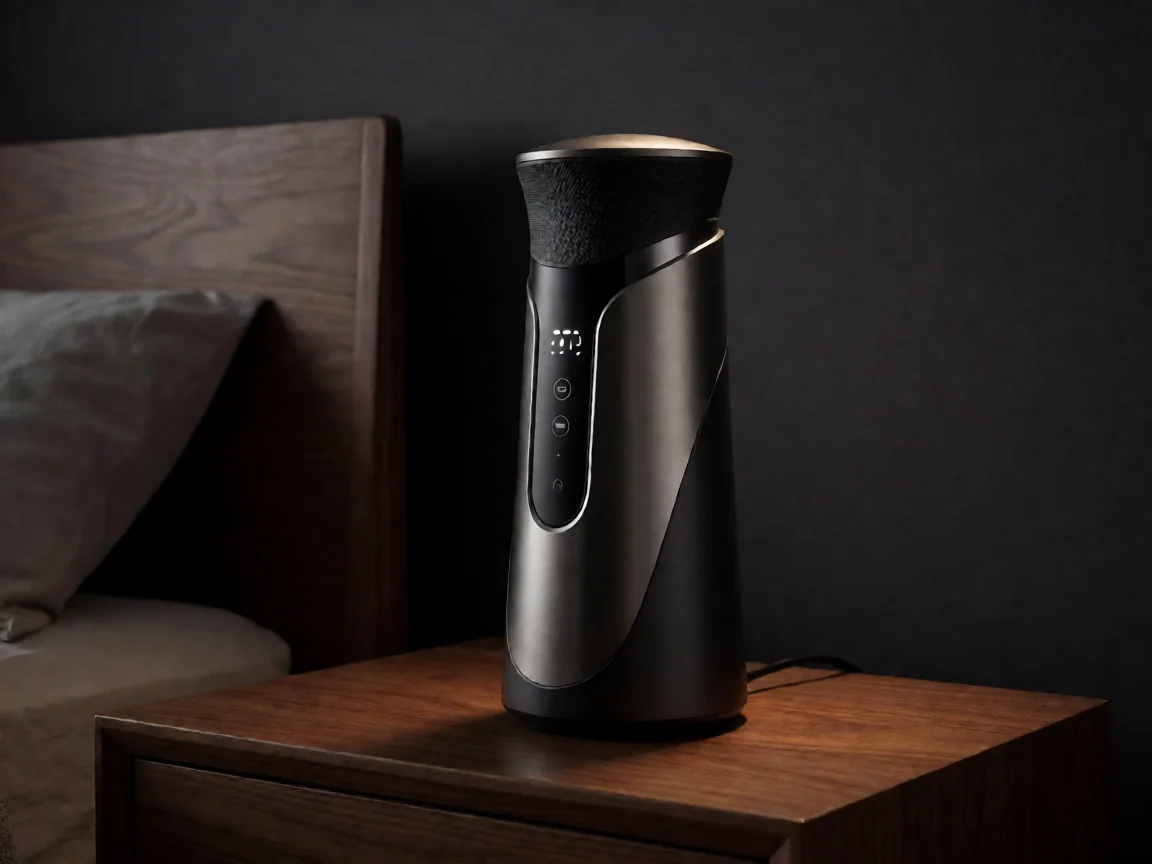
Automated reciprocating strokers represent the pinnacle of mechatronic density in the intimate wellness sector. Designing a handheld linear device that delivers 400 strokes per minute with 22 N of kinetic push force while maintaining acoustic noise below 45 dB requires rigorous electromechanical optimization.
1. Electromechanical Architecture: Servo vs Stepper
Many low-cost consumer strokers rely on open-loop stepper motors or brushed DC motors with eccentric cams. However, high-end automated masturbators built at BOHOL utilize high-efficiency 3-phase Brushless DC (BLDC) motors paired with closed-loop magnetic encoder feedback.
| Engineering Attribute | Open-Loop Stepper Motor | Brushed Cam-Drive Motor | BOHOL Closed-Loop BLDC Servo |
|---|---|---|---|
| Positioning Accuracy | Step Angle (1.8° step error) | Non-linear sinusoidal sweep | 0.05 mm Magnetic Resolution |
| Acoustic Noise @ 300 RPM | 58 dB – 64 dB (high buzz) | 52 dB – 58 dB (gear whine) | < 42 dB (Planetary Damped) |
| Thermal Dissipation | High continuous heat generation | Medium brush friction heat | Integrated Copper Heat-Pipe Core |
| Motor Life Expectancy | ~300 operational hours | ~150 operational hours | > 1,500 High-Torque Hours |
2. Dynamic Adaptive Stroke Algorithms
Through real-time current sensing on the motor driver H-bridge, BOHOL’s custom microcontrollers calculate real-time tissue clamping resistance:
- Anti-Stall Kinetic Compensation: When a user increases constriction pressure, the closed-loop controller boosts PWM duty cycle within 2 milliseconds to prevent motor stalling.
- Variable Stroke Envelope: Unlike rigid mechanical cam linkages, servo stroke length can be modulated electronically between 15 mm and 65 mm on the fly without mechanical gear shifting.
- Emergency Disengagement: If mechanical resistance exceeds safety parameters (over 35 N), the firmware executes an instantaneous 50 ms backward pull to safeguard sensitive user anatomy.
3. Precision Manufacturing & Cleanroom Assembly
Every linear actuator assembly undergoes 100% automated dyno testing inside BOHOL’s mechatronics testing chambers:
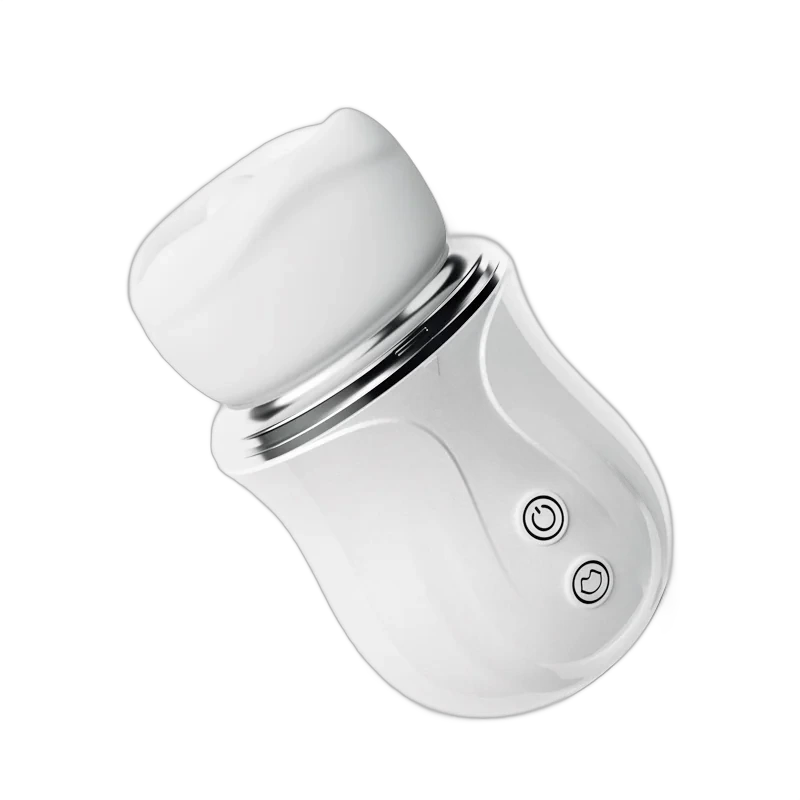
- Experience the production application of this closed-loop servo kinematics in the flagship Twist Fun Automated Reciprocating Stroker and Starship Multi-Axis Male Device.
- Examine our cleanroom motor assembly lines and high-precision CNC tooling facilities at the BOHOL Manufacturing Operations Hub.
- For OEM buyers requesting customized stroke velocities, private silicone sleeve textures, or bespoke retail packaging, request full technical dossiers via our Turnkey Wholesale RFQ Portal.
Authoritative Technical Citations
- IEC 60034-1: Rotating Electrical Machines - Rating and Performance Standards
- RoHS Directive 2011/65/EU: Restriction of Hazardous Substances in Mechatronic Assemblies
- ISO 9001:2015: Precision Mechatronic Manufacturing and Quality Assurance Audits