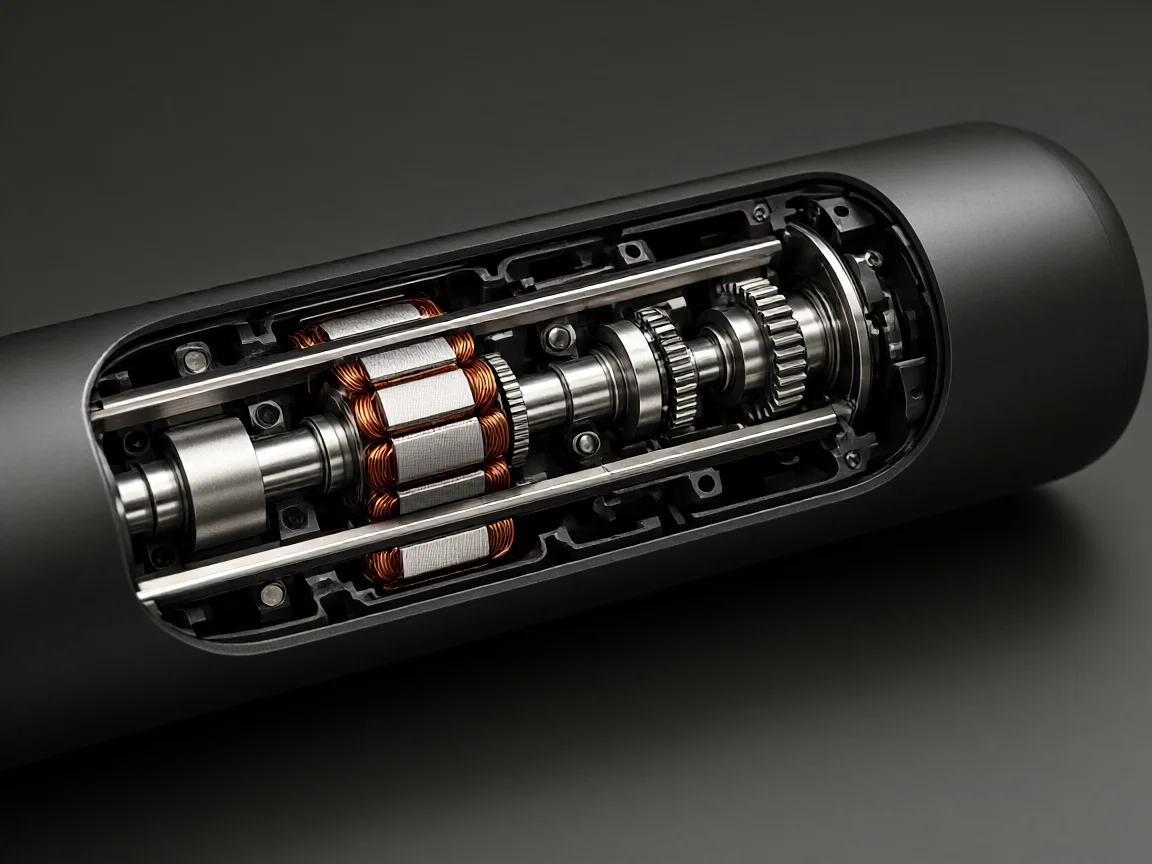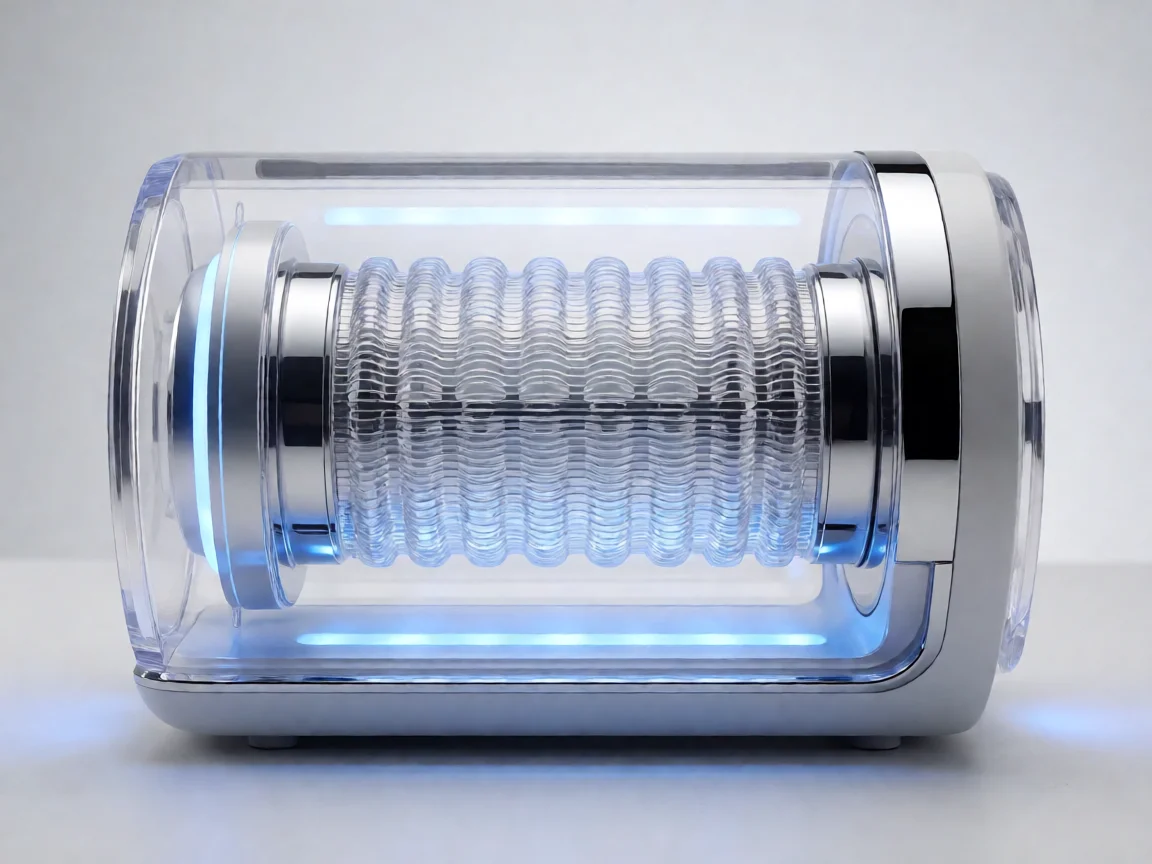
Thermoplastic elastomer (TPE) sleeves deliver ultra-soft, lifelike elasticity that standard rigid polymers cannot replicate. Because enclosed TPE tunnels retain residual moisture after rinsing, consistent washing, thorough internal drying, and renewal powdering are essential to keep the material dry, velvety, and free from tackiness or mold.
[!NOTE] Looking for verified, body-safe manufacturing? Explore NR-MAST-1 Ergonomic Textured Sleeve and Twist & Fun, or review our cleanroom manufacturing specifications to request an instant OEM quotation.
Executive Engineering & Maintenance Takeaways
- Flush the inner channel with lukewarm water (under 40°C / 104°F) immediately after use; never boil TPE sleeves. - Use mild alcohol-free antibacterial foam; never soak TPE in rubbing alcohol, bleach, or petroleum dish detergents. - Dry 100% inside and out using a diatomite drying rod or lint-free towels before storing to prevent mold within 24 hours. - Finish with a light dusting of pure cosmetic cornstarch or TPE renewal powder to absorb surface mineral oils and restore a silky matte finish.1. Step 1: Lukewarm Flushing & Alcohol-Free Washing
Remove the removable TPE inner sleeve from its outer housing (as in NR-MAST-1). Flush lukewarm running water directly through the interior channel to rinse away water-based lubricant residue. Apply a mild, alcohol-free antibacterial foaming cleanser, gently massage textured ribs with fingertips, and rinse thoroughly until zero soap film remains.
2. Step 2: Complete Internal Drying & Cornstarch Powdering
Trapped water inside a narrow channel cannot evaporate quickly on its own. Insert a porous diatomite moisture-absorbing rod or rolled lint-free paper towels to draw out moisture completely, then air-dry in a ventilated space. Once completely dry, dust the exterior and entry lightly with pure cornstarch or specialized TPE renewal powder—restoring dry velvety smoothness without clogging pores.
| Care Step | Recommended Procedure | Critical Mistake to Avoid |
|---|---|---|
| Water Temperature | Lukewarm (Under 40°C / 104°F) | Boiling Water (Warps & Melts TPE) |
| Cleaning Cleanser | Alcohol-Free Foaming Cleanser / Mild Soap | Rubbing Alcohol, Bleach, Harsh Dish Detergents |
| Drying Method | Diatomite Drying Stick + Lint-Free Towel | Hot Hair Dryer / Storing Damp in Closed Box |
| Powdering Agent | Pure Food/Cosmetic Cornstarch or Renewal Powder | Talcum Powder / Perfumed Baby Powder with Oils |
3. Related Material Maintenance Guides
- Compare polymer durability: Medical Silicone vs. TPE Alcohol Degradation Tests
- Caring for waterproof silicone devices? Read Can You Clean Silicone Wellness Devices with Alcohol?
Frequently Asked Questions
Why has my TPE sleeve turned sticky after washing?
TPE naturally releases trace medical-grade mineral oils when exposed to water and air. This tackiness is completely normal and disappears immediately after drying thoroughly and applying a light dusting of pure cornstarch or renewal powder.
Can I disinfect a TPE sleeve using 70% rubbing alcohol or boiling water?
No. Both rubbing alcohol and boiling water degrade porous TPE elastomer rapidly, causing surface cracking, cloudiness, and permanent structural warping. Stick strictly to lukewarm water and mild alcohol-free cleansers.
What should I do if dark mold spots appear inside a TPE sleeve?
Because TPE is semi-porous, once mold penetrates beneath the surface it cannot be fully sanitized safely. Replace the removable inner sleeve immediately with a fresh replacement core.
For wholesale distribution, replacement TPE sleeves, or private-label packaging inquiries, contact BOHOL via our online RFQ portal or contact page.