A product specification is most useful when it is tied to an exact model and a clear source. Similar photographs or matching colors are not enough to establish that two products share the same technical details.
Match the model first
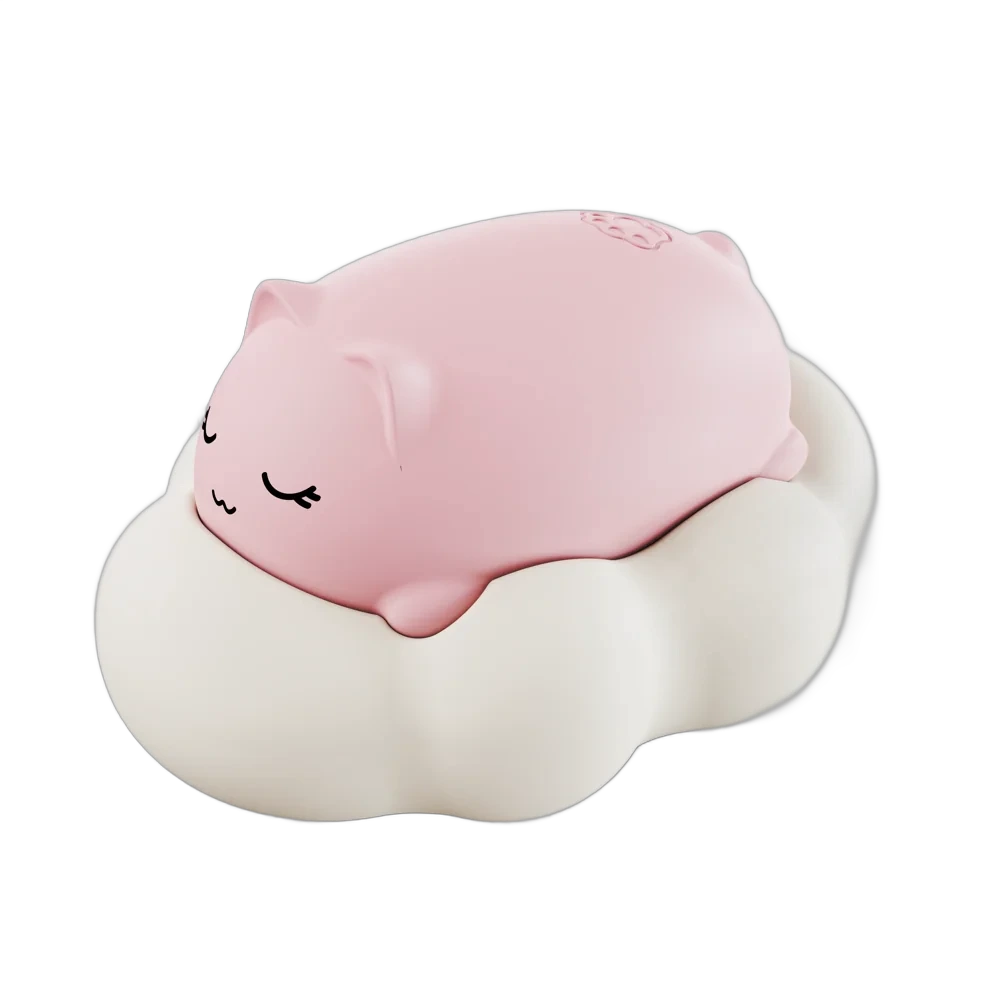
Check the product name and any model number. The Mengqu specification, for example, lists MZB-WT054 for white and MZB-WT055 for pink. Keep those identifiers when asking about documentation or accessories.
Check the units
Some product sheets use inches and others use millimetres. Make sure you compare the same units and understand whether a measurement describes the complete device, its packaging or another part.
Published overall dimensions do not establish an internal measurement. Where a source contains inconsistent labels, confirm the current specification rather than relying on an image alone.
Read materials at model level
The Twist & Fun sheet lists ABS and TPE. Mengqu lists ABS and silicone. Those are model-specific material descriptions. They do not establish an independent certification or a universal material claim for the whole collection.
Keep reports in scope
A test report describes the sample and tests identified in that report. A report for one sample or component should not be extended to unrelated products, batches or markets.
The documentation page explains the supplied Mengqu sample report and its limited scope. For purchasing questions, use the business enquiry page to identify the exact model and documents you need.