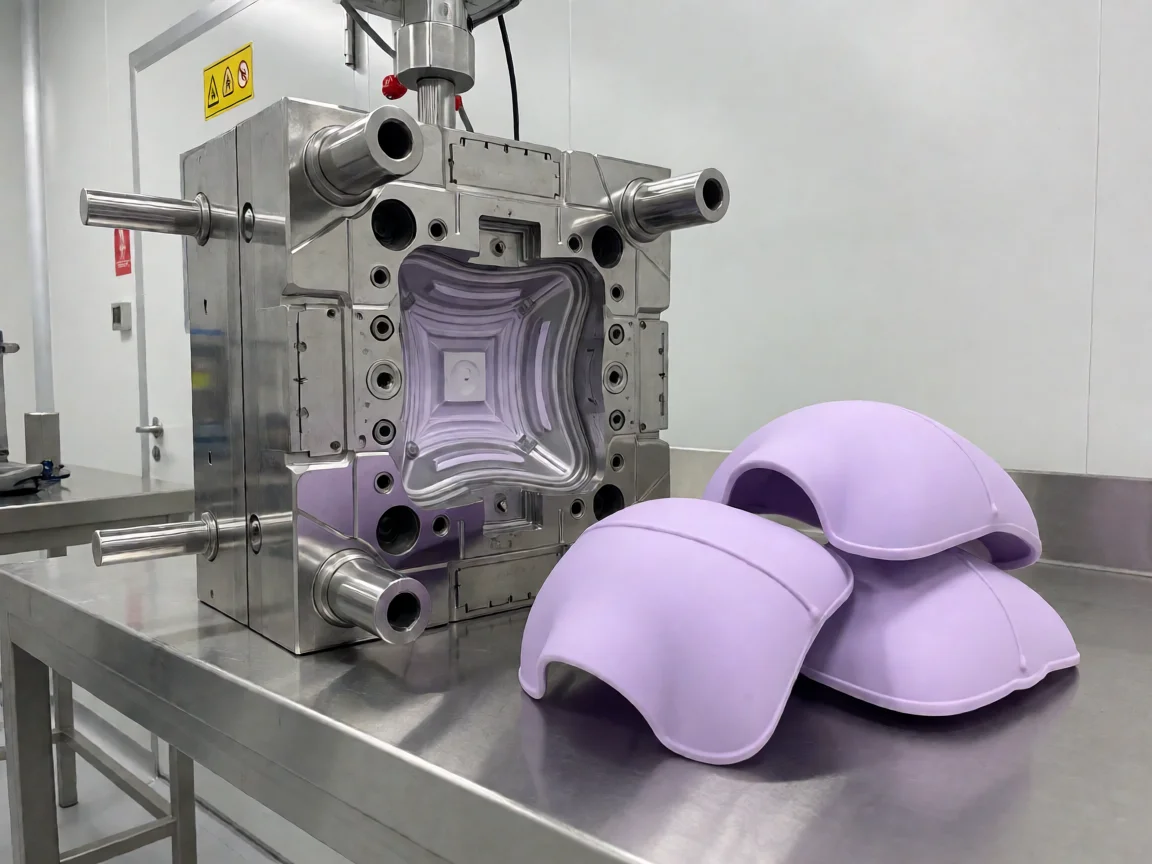
In the luxury adult wellness sector, product tactile quality is judged immediately upon touch. If a vibrator has a noticeable sharp seam line, rough mold parting flash, or uneven silicone thickness, consumers perceive it as cheap and unhygienic. Achieving a seamless, velvet-soft silicone exterior requires advanced Liquid Silicone Rubber (LSR) cold-runner mold tooling.
[!NOTE] Looking for verified, body-safe manufacturing? Explore the Precision 5-Axis CNC Tooling Division or review our cleanroom manufacturing specifications to request an instant OEM quotation.
Executive Engineering & Procurement Takeaways
- LSR low viscosity allows injection into micro-tolerances (±0.01 mm), eliminating visible parting line flash. - Cold-runner valve-gate systems minimize raw silicone material waste while boosting production cycle speed by 35%. - High-grade NAK80 or S136 stainless steel mold cavities undergo mirror spark EDM polishing for an optical surface finish. - Enables complex over-molding, fusing liquid silicone directly onto rigid internal ABS skeletons without adhesives.1. Solid Compression Molding vs. Liquid Injection (LSR)
Lower-tier factories still use manual compression molding: an operator cuts a slab of solid high-consistency rubber (HCR), lays it manually into an open mold, and presses it under heat. This crude method results in thick parting lines, trapped air bubbles, and significant flash that must be hand-trimmed. BOHOL uses automated closed-loop LSR injection. Liquid Components A and B are metered under computer control and injected into vacuumed steel cavities, yielding flawless, flash-free surfaces straight from the press.
2. Dual-Shot Overmolding: Silicone Over Rigid Core
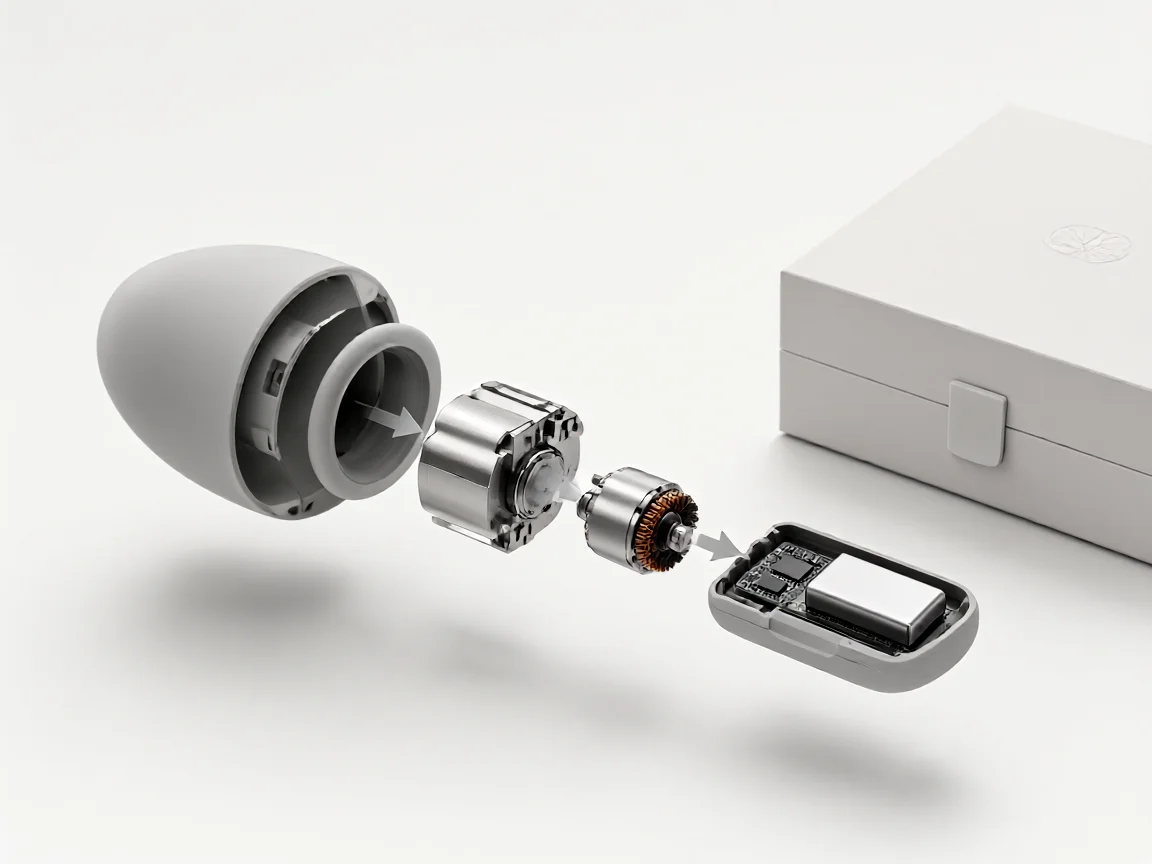
High-end devices like the Starship or Bobi III require an internal rigid ABS chassis to house the motor and battery, wrapped in a plush, soft silicone exterior. BOHOL’s dual-shot overmolding chemically bonds liquid silicone to high-temperature polycarbonate/ABS cores using specialized primer-less cross-linking agents, preventing delamination over years of vigorous vibration.
| Tooling & Process Metric | BOHOL Automated LSR Injection | Standard Compression Molding |
|---|---|---|
| Parting Line Thickness | < 0.02 mm (Virtually Invisible) | > 0.25 mm (Noticeable Sharp Ridge) |
| Cycle Time per Shot | 45 – 60 Seconds | 3 – 5 Minutes (Slow Manual Loading) |
| Cavity Surface Roughness | Ra < 0.02 µm (Optical Mirror Polish) | Ra > 0.4 µm (Dull / Inconsistent Finish) |
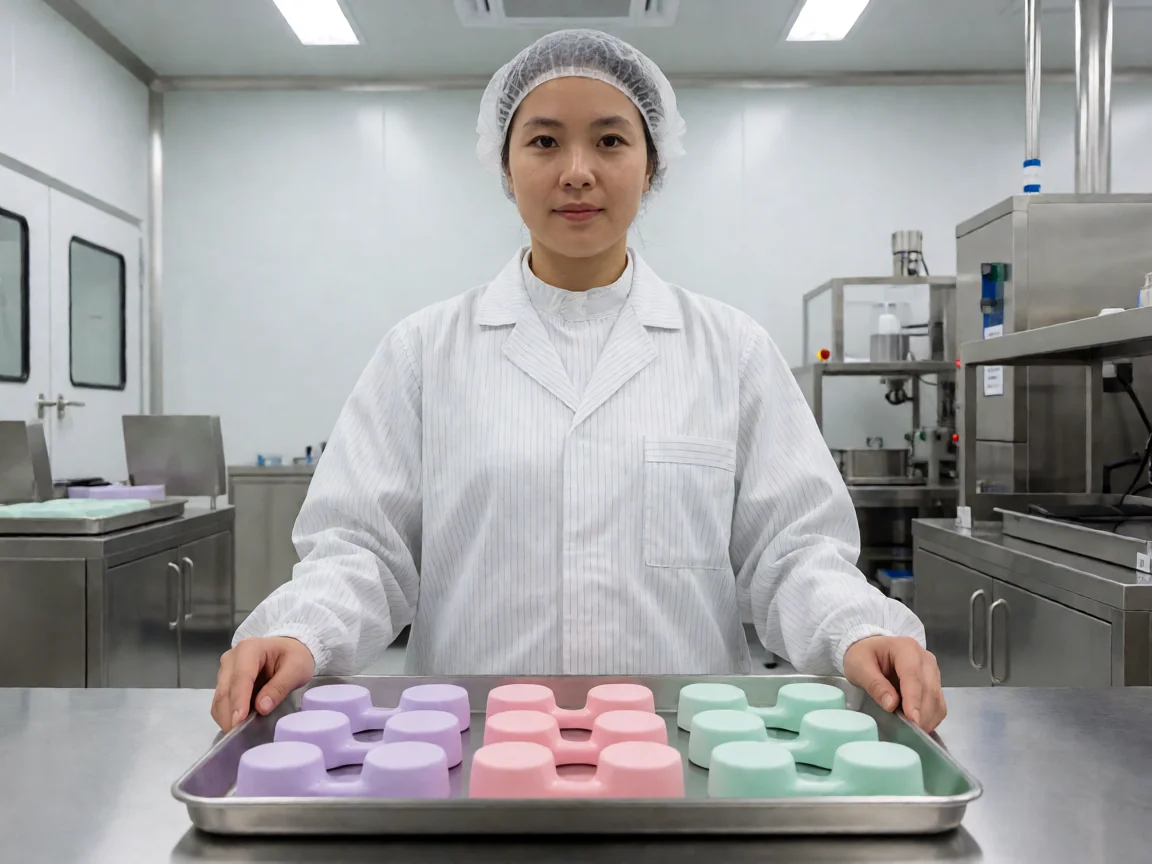
| Cleanroom Compatibility | Class 100,000 Enclosed System | Open Workshop (High Contamination Risk) |
Frequently Asked Questions
How many units can a single LSR steel mold produce before wearing out?
Hardened S136 stainless steel molds running liquid silicone experience minimal abrasive wear and are warrantied for over 500,000 shots (production cycles).
Can different colors and hardness levels be molded in the same tool?
Yes. The same mold cavity can shoot silicone ranging from ultra-soft 15A durometer to firm 50A durometer in any custom Pantone pastel or vibrant shade.
For wholesale distribution, private-label branding, or hotel vending inquiries, speak directly with BOHOL’s product specialists via our online RFQ portal or email sales at our contact page.