When specifying materials for intimate wellness hardware, industrial designers and procurement directors routinely weigh two primary elastomeric options: Platinum-Cured Liquid Silicone Rubber (LSR) and Thermoplastic Elastomer (TPE).
While TPE presents lower initial raw material acquisition costs, its long-term molecular stability, hygiene compliance, and consumer tactile perception fall substantially short of medical-grade LSR.
1. Molecular Cross-Linking & Chemical Inertness
Liquid Silicone Rubber undergoes a platinum-catalyzed two-component cross-linking reaction (addition cure). Once vulcanized under high temperature inside closed steel molds, LSR forms a continuous three-dimensional siloxane backbone (Si-O-Si).
- Zero Plasticizers: Unlike vinyl or lower-grade TPE, platinum LSR contains no phthalate ester plasticizers, Bisphenol A (BPA), or volatile organic compounds (VOCs).
- Thermal Resistance: Operates stably across -50°C to +200°C without softening, leaching, or undergoing tackiness.
- Hypoallergenic Certification: Certified biocompatible under ISO 10993-5 cytotoxicity standards and strictly adheres to EU REACH 235 SVHC list.
2. Class 100,000 Dust-Free Cleanroom Processing
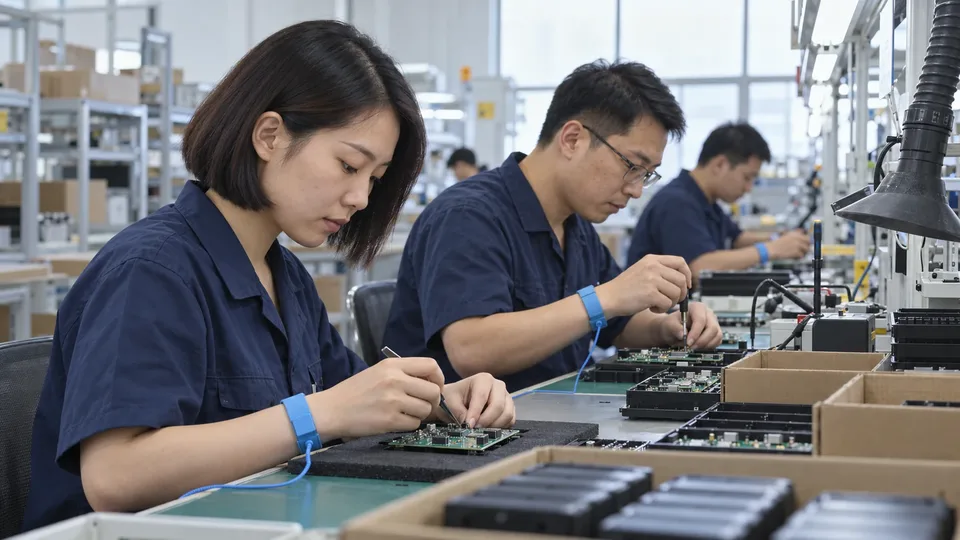
In BOHOL’s 35,000 m² smart manufacturing campus, all liquid silicone injection is executed within enclosed Class 100,000 cleanroom environments.
Airborne particulates are filtered down to < 3.5 million particles per cubic meter (≥ 0.5 µm), eliminating microscopic debris embedding during high-pressure liquid transfer. Computer-monitored metering pumps mix Component A and Component B at an exact 1:1 ratio with digital colorant injection, guaranteeing color delta E < 0.5 across 50,000-unit production runs.
| Specification Parameter | Platinum-Cured LSR | Standard Commercial TPE |
|---|---|---|
| Pore Structure | 100% Non-Porous | Micro-Porous (Absorptive) |
| Phthalate Content | 0.00% (Certified RoHS 2.0) | Variable (Risk of Leaching) |
| Boiling Water Sanitation | Fully Compatible (Up to 200°C) | Degrades / Melts (> 70°C) |
| Tactile Texture | Silky Velvet, Non-Sticky | Requires Powdering / Oily |
| Tensile Strength | > 8.5 MPa (High Tear Resistance) | < 4.2 MPa (Easily Torn) |
3. Implications for Brand Owners & OEM Clients
For premium wellness DTC brands and international retailers, utilizing platinum LSR is not merely a marketing claim—it is a critical hedge against product liability, toxic substance recall under European customs audits, and consumer dissatisfaction.
To inspect physical LSR color swatches or calibrate shore hardness (ranging from ultra-soft 10 Shore A to firm 40 Shore A), contact BOHOL’s engineering team through our RFQ Calculator or book a live WhatsApp video walkthrough.