Water ingress remains the leading cause of field returns and motor controller failure in rechargeable intimate wellness devices. Achieving authentic IPX7 and IPX8 ingress protection requires more than silicone gaskets—it demands precision-engineered internal bulkheads, ultrasonic welding, and rigorous non-destructive vacuum testing.
Defining the Ingress Protection (IP) Scale
Under international standard IEC 60529:
- IPX7: Protected against water immersion up to 1 meter for 30 minutes. The device must show zero moisture penetration capable of impairing motor circuitry or battery terminals.
- IPX8: Protected against continuous water submersion under pressurized conditions designated by the manufacturer (typically 2 to 3 meters).
The 2-Tier Testing Protocol at BOHOL
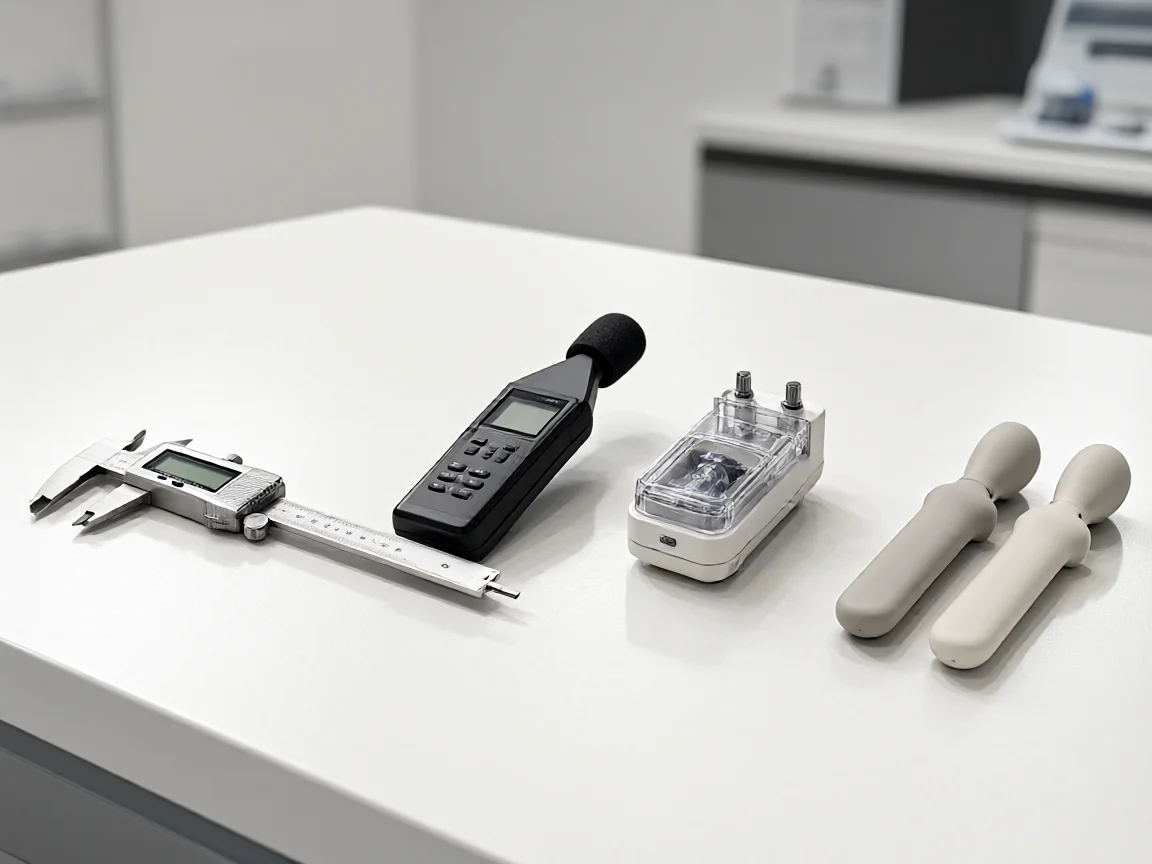
In our metrology lab, finished units undergo two consecutive validation stages before retail packaging:
Stage 1: Digital Vacuum Decay Leak Detection
Before battery encapsulation, the structural internal cavity is placed inside a differential pressure chamber. A negative vacuum pressure of -50 kPa is drawn. Sensitive electronic transducers monitor pressure equalization over a 60-second cycle. Any micro-fissure (> 5 µm) triggers an immediate automatic rejection.
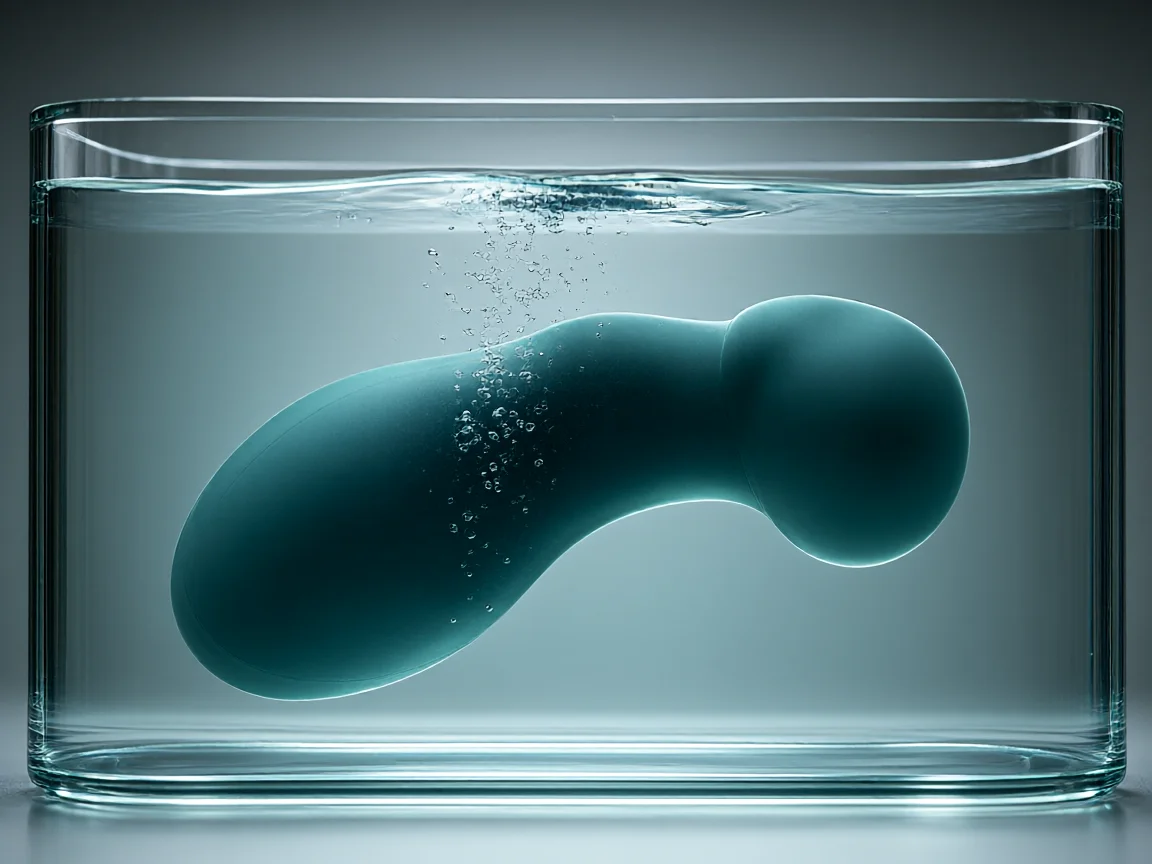
Stage 2: Hydrostatic Water Bath Submersion
Random lot samples undergo 30-minute submerged depth testing in our vertical water testing columns at 1-meter nominal head, followed by high-voltage insulation resistance testing (> 500 MΩ at 500V DC).
Sealing Architectures: Magnetic Pin vs. Sealed USB-C
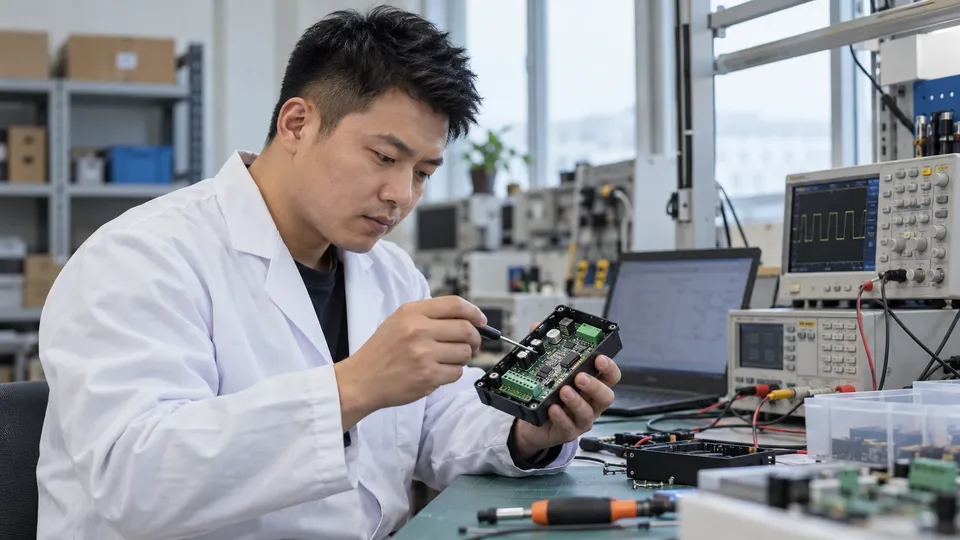
Modern consumer electronics favor USB-C fast charging. However, traditional open ports create direct capillary pathways for water. BOHOL engineers proprietary molded silicone bulkheads that isolate the USB-C PCB receptacle in a hermetically sealed chamber, allowing full submersion while maintaining compatibility with standard USB-C cables.