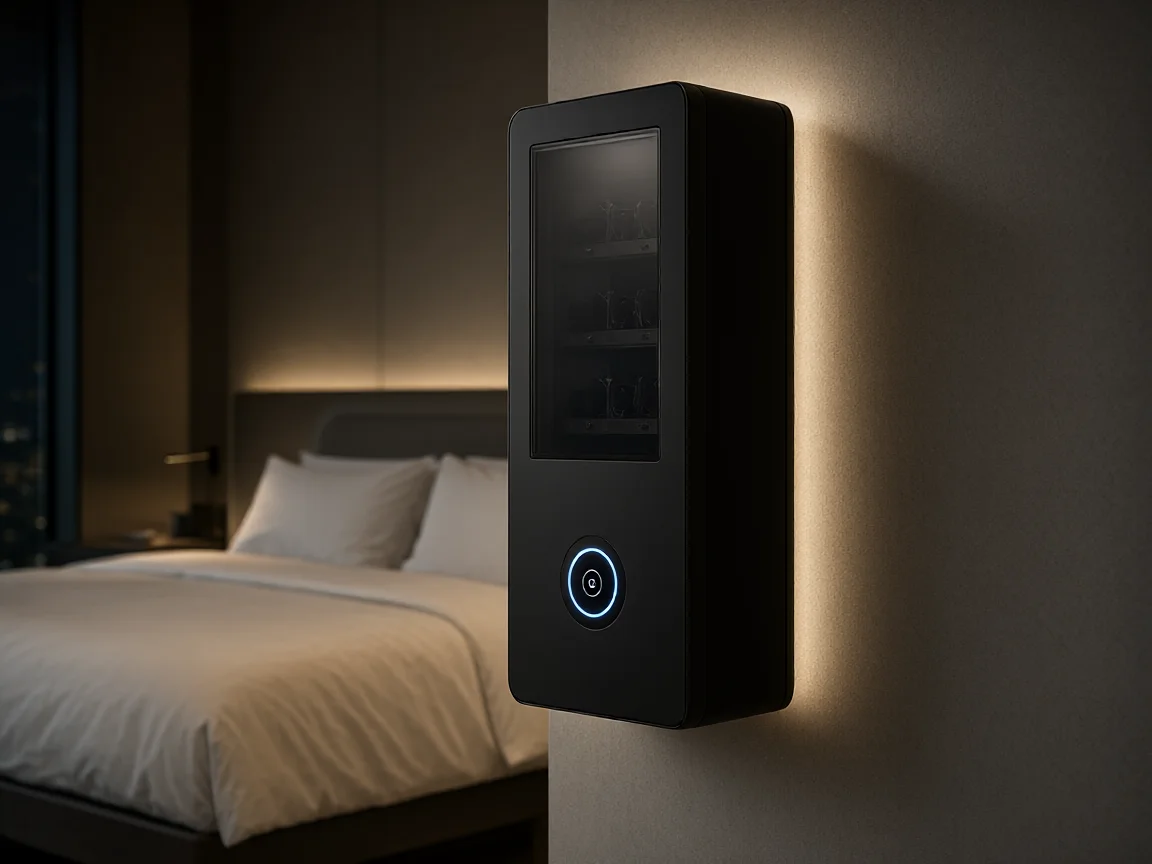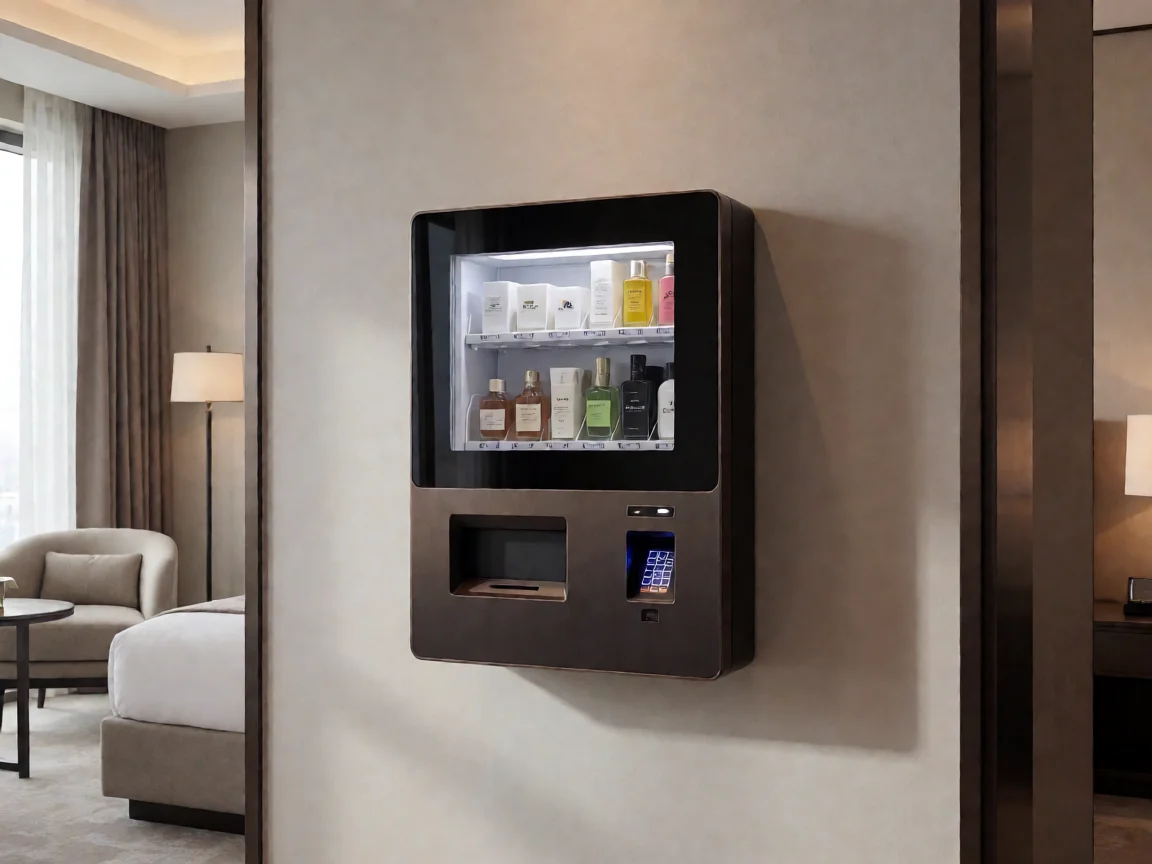
For decades, traditional refrigerated hotel minibars have been an operational nightmare for hospitality directors. High electricity consumption, food and soda spoilage, guest billing disputes at checkout, and employee theft commonly cause traditional minibars to operate at a net financial loss. Automated intimate wellness micro-vending reverses this paradigm completely.
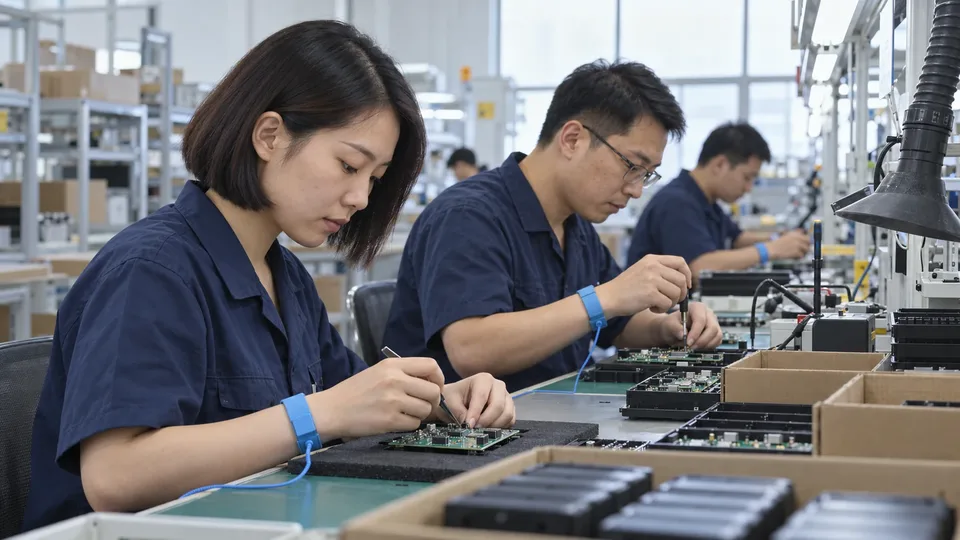
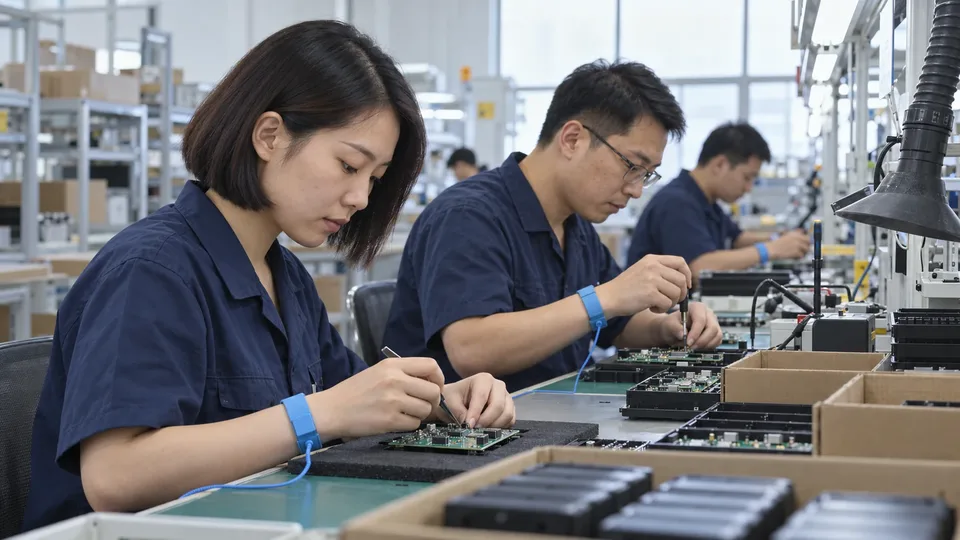
[!NOTE] Looking for audited, biocompatible manufacturing? Explore the BOHOL Smart Commercial Vending or review our cleanroom manufacturing specifications to request an instant factory quotation.
Executive Engineering & Procurement Takeaways
- Traditional minibars suffer an average 8% to 14% revenue leakage due to guest checkout disputes ('I never opened that soda') and spoilage. - Intimate wellness consumables feature a 5-year shelf life, require zero electrical refrigeration, and carry zero spoilage risk. - Contactless cashless payment collects 100% of revenue upfront before mechanical item dispensing, driving inventory shrinkage to exactly 0.0%. - Operators achieve 65% to 75% gross product margins, generating $80 to $220 in net monthly ancillary profit per occupied room.Why Do Traditional Minibars Lose Money While Intimate Vending Generates Pure Profit?
A traditional minibar costs $15 to $25 per month per room in electrical refrigeration alone. Moreover, guests routinely replace expensive miniature vodka bottles with tap water or contest charges during morning checkout rushes. Because front-desk clerks frequently waive disputed minibar fees to preserve guest review scores, hotels lose thousands annually. In contrast, BOHOL’s wall kiosks draw only 4W in standby, require no compressor cooling, and never dispense an item until the customer’s credit card or Apple Pay is approved by the bank gateway.
What Is the Return on Investment (ROI) Timeline for a 100-Room Hotel Deployment?
Assuming an average 70% hotel occupancy rate and a conservative 12% in-room monthly conversion rate, a 100-room property processes approximately 250 intimate wellness transactions monthly at an average ticket of $22.00 ($5,500 monthly gross sales). With cost of goods (COGS) at $1,400, the property nets $4,100 in monthly gross profit, fully amortizing the capital hardware cost within 4 to 6 months.
| Operational Metric | Traditional Beverage Minibar | BOHOL In-Room Vending Terminal |
|---|---|---|
| Energy Consumption | 150 ~ 250 kWh/year (Continuous refrigeration) | < 12 kWh/year (Low-voltage standby micro-LEDs) |
| Inventory Spoilage Rate | 4% ~ 9% annually (Expired juices, snacks, dairy) | 0.0% (5-year hermetic sealed shelf life) |
| Checkout Dispute Rate | 8% ~ 15% of all room folios contested | 0.0% (Zero checkout disputes; guest pays machine directly) |
| Gross Profit Margin | 25% ~ 35% (Eroded by waste & labor) | 65% ~ 75% (Direct factory wholesale pricing) |
| Restock Labor Frequency | Mandatory daily room-by-room physical audit | Automated 4G cloud alert when slots deplete |
"All hardware mechanisms and intimate formulations produced by BOHOL strictly conform to audited ISO 13485:2016 quality management systems and FDA 21 CFR § 177.2600 liquid silicone elastomer biocompatibility standards. Every production batch undergoes automated acoustic analysis, high-voltage insulation tests, and IPX7 vacuum immersion verification."
Frequently Asked Questions
How much electricity does a wall-mounted vending machine consume?
BOHOL terminals run on an ultra-efficient 12V DC power architecture that consumes less than 3.5 Watts in standby mode and 12 Watts during the 3-second mechanical dispensing cycle, costing less than $0.35 per month in electricity.
Can the hotel set custom retail prices for the dispensed items?
Yes. Hotel operators can update retail pricing instantly across individual machines or entire hotel fleets via our centralized BOHOL Cloud web dashboard in real time.
For direct wholesale procurement, custom private tooling, or hotel vending telemetry deployments, connect directly with our engineering trade desk via our online RFQ calculator, explore our cleanroom manufacturing campus, or reach our global team at our official contact desk.