In consumer intimate hardware, high return rates decimate profit margins. Between return shipping logistics, customer service labor, and Amazon account health penalties, a 3% defect rate can eliminate 40% of net retail profit. Understanding how tier-1 factories apply ISO 2859-1 Acceptable Quality Limit (AQL) standards separates professional brands from struggling importers.
[!NOTE] Looking for audited, biocompatible manufacturing? Explore the BOHOL Cleanroom QC Metrology or review our cleanroom manufacturing specifications to request an instant factory quotation.
Executive Engineering & Procurement Takeaways
- Standard commodity suppliers operate under lenient AQL 2.5 / 4.0 standards, which permits up to 25 defective units per 1,000 units shipped. - BOHOL strictly enforces medical-grade AQL 0.65 for critical mechanical and electrical tolerances, driving actual field defect rates below 0.3%. - Every motorized unit undergoes a 72-hour continuous battery aging and motor cyclic test under 45°C ambient load prior to final blister sealing. - 100% automated vacuum leak detection and high-voltage insulation tests guarantee zero dead-on-arrival (DOA) failures.How Do AQL 0.65 and AQL 2.5 Sampling Plans Differ in Real Manufacturing Practice?
Under ISO 2859-1 (ANSI/ASQ Z1.4), the Acceptable Quality Limit defines the maximum percentage of non-conforming items considered satisfactory for a sample inspection. While standard electronics factories use AQL 2.5 for major defects (such as power button unresponsiveness) and AQL 4.0 for minor cosmetic flaws, BOHOL applies tightened AQL 0.65 inspection. In a batch of 10,000 units, AQL 0.65 requires inspecting 315 units and rejects the entire lot if more than 5 non-conformities are found.
What Automated Metrology Equipment Eliminates Field Returns?
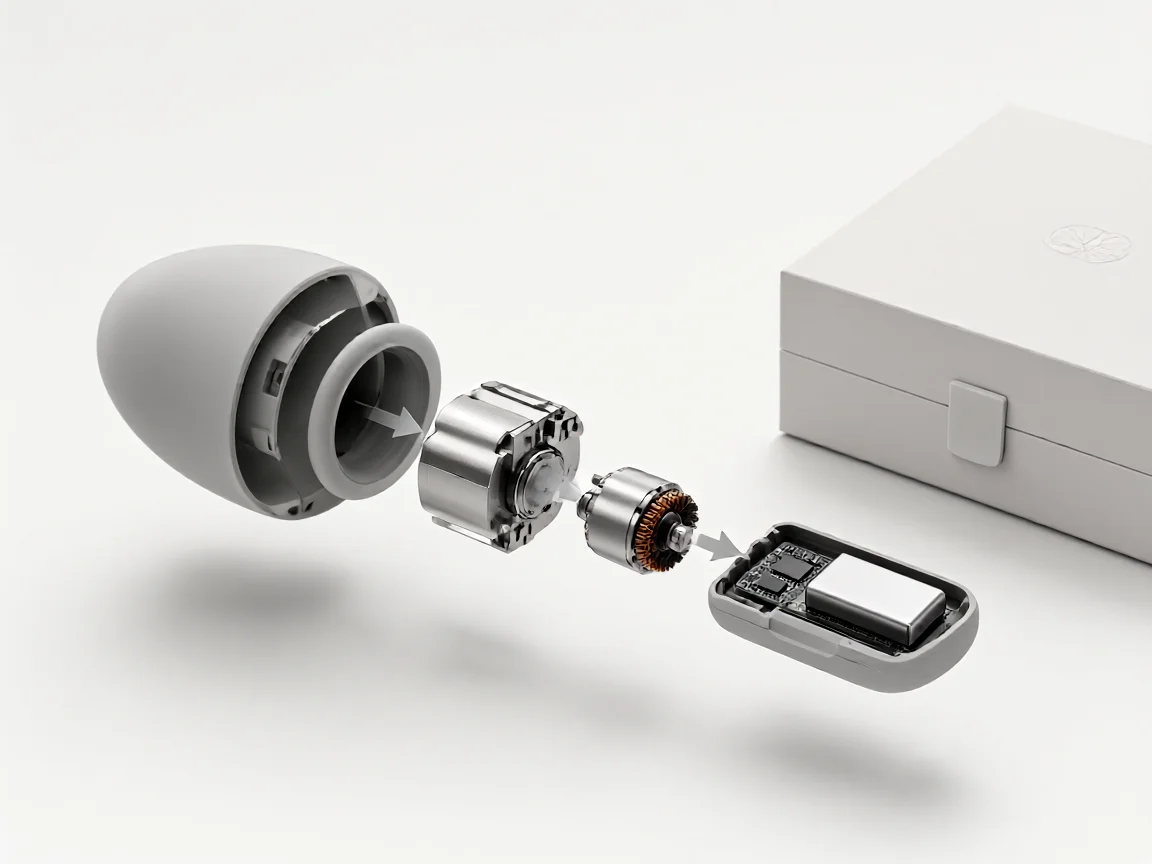
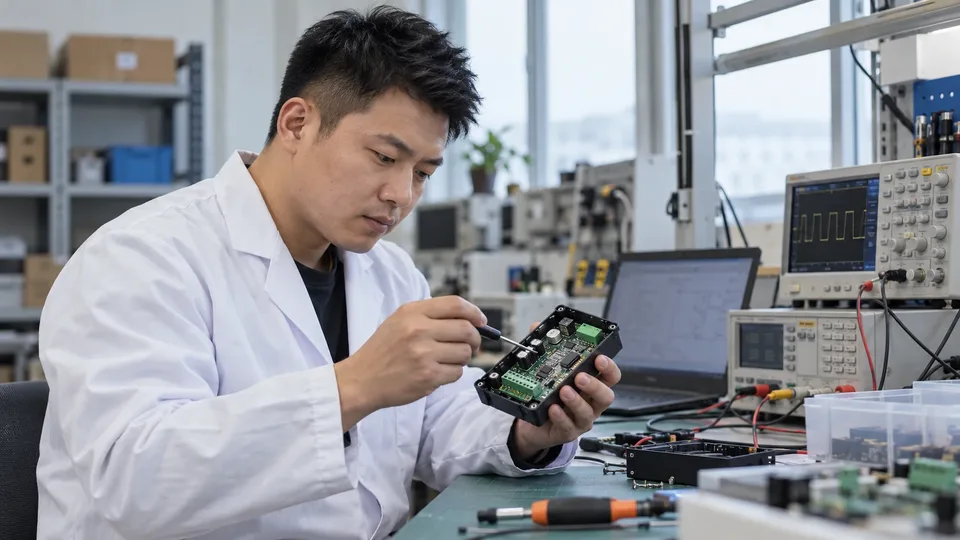
Manual visual inspection fails to detect internal gear mesh micro-cracks or battery weld degradation. Our automated quality assurance suite includes digital optical tachometers measuring motor rotational speed under simulated 500g skin friction, spectral audio analyzers in anechoic chambers flagging gear noise >42 dB, and negative-pressure vacuum chambers certifying IPX7 submersion integrity.
| Inspection Parameter | BOHOL AQL 0.65 Tier-1 Benchmark | Generic Wholesale AQL 2.5 Standard |
|---|---|---|
| Critical Defects (Safety/Fire) | 0 Allowed (100% Zero Tolerance) | 0 Allowed (Sampling Only) |
| Major Defects (Motor/Battery DOA) | < 0.65% (Rejection threshold: 5 per 315) | < 2.5% (Rejection threshold: 14 per 315) |
| Minor Defects (Cosmetic/Scratches) | < 1.5% (Microscopic inspection under 1000 lux) | < 4.0% (Uncalibrated ambient visual check) |
| Burn-in Aging Protocol | 100% of Units undergo 72-hour dynamic load | 10% random sample for 2 hours |
| Field Return Rate (Average) | < 0.28% documented across global distributors | 2.5% ~ 4.8% typical industry average |
"All hardware mechanisms and intimate formulations produced by BOHOL strictly conform to audited ISO 13485:2016 quality management systems and FDA 21 CFR § 177.2600 liquid silicone elastomer biocompatibility standards. Every production batch undergoes automated acoustic analysis, high-voltage insulation tests, and IPX7 vacuum immersion verification."
Frequently Asked Questions
What happens if a production lot fails BOHOL’s internal AQL 0.65 inspection?
The entire production lot is quarantined in our QA isolation bay. 100% of units are disassembled, audited, re-tested, and re-certified before releasing the container for export packaging.
Can third-party inspection firms (like SGS, QIMA, or TÜV) audit BOHOL’s facility?
Yes. We welcome and facilitate bilateral pre-shipment inspections (PSI) by international audit agencies, providing calibrated metrology stations and historical testing records.
For direct wholesale procurement, custom private tooling, or hotel vending telemetry deployments, connect directly with our engineering trade desk via our online RFQ calculator, explore our cleanroom manufacturing campus, or reach our global team at our official contact desk.